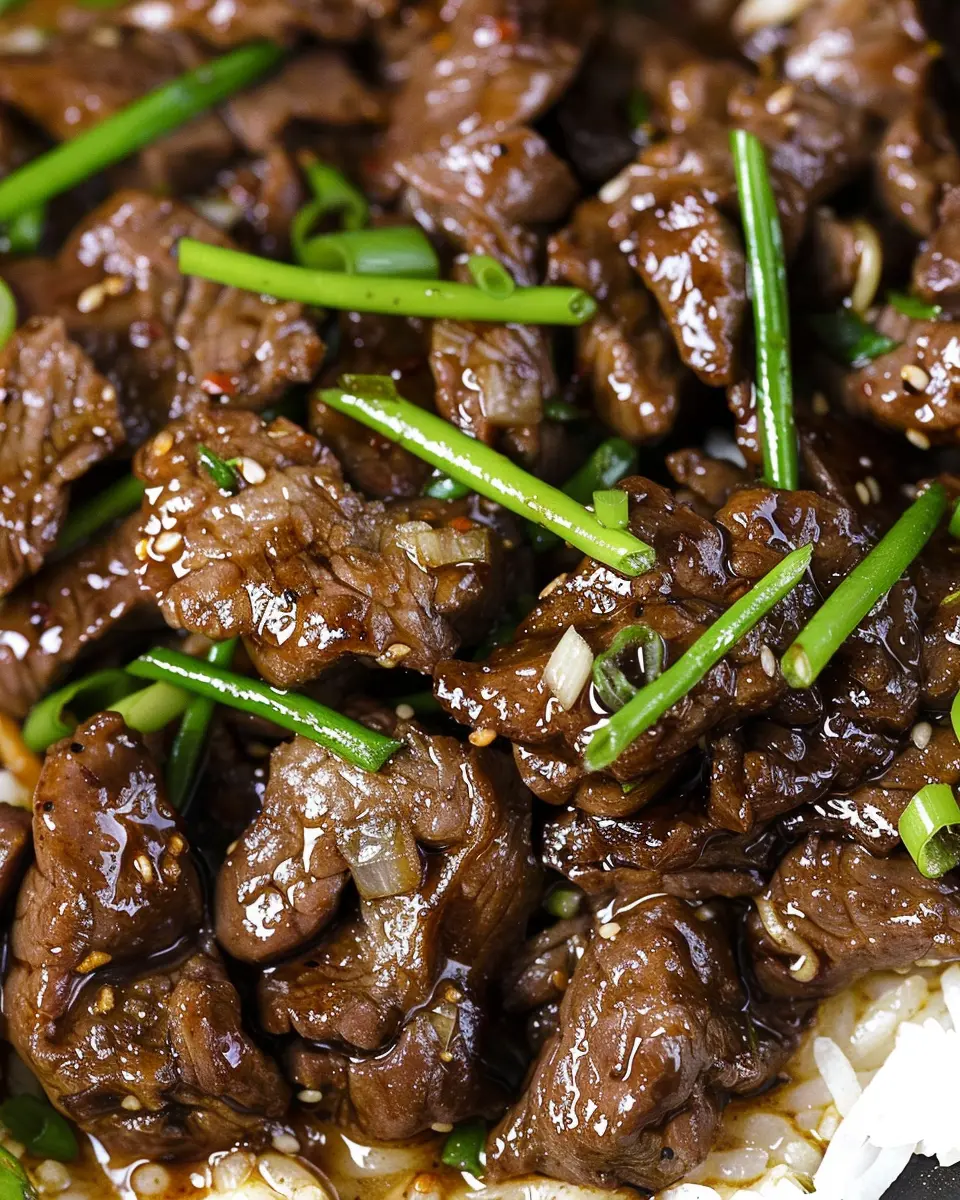
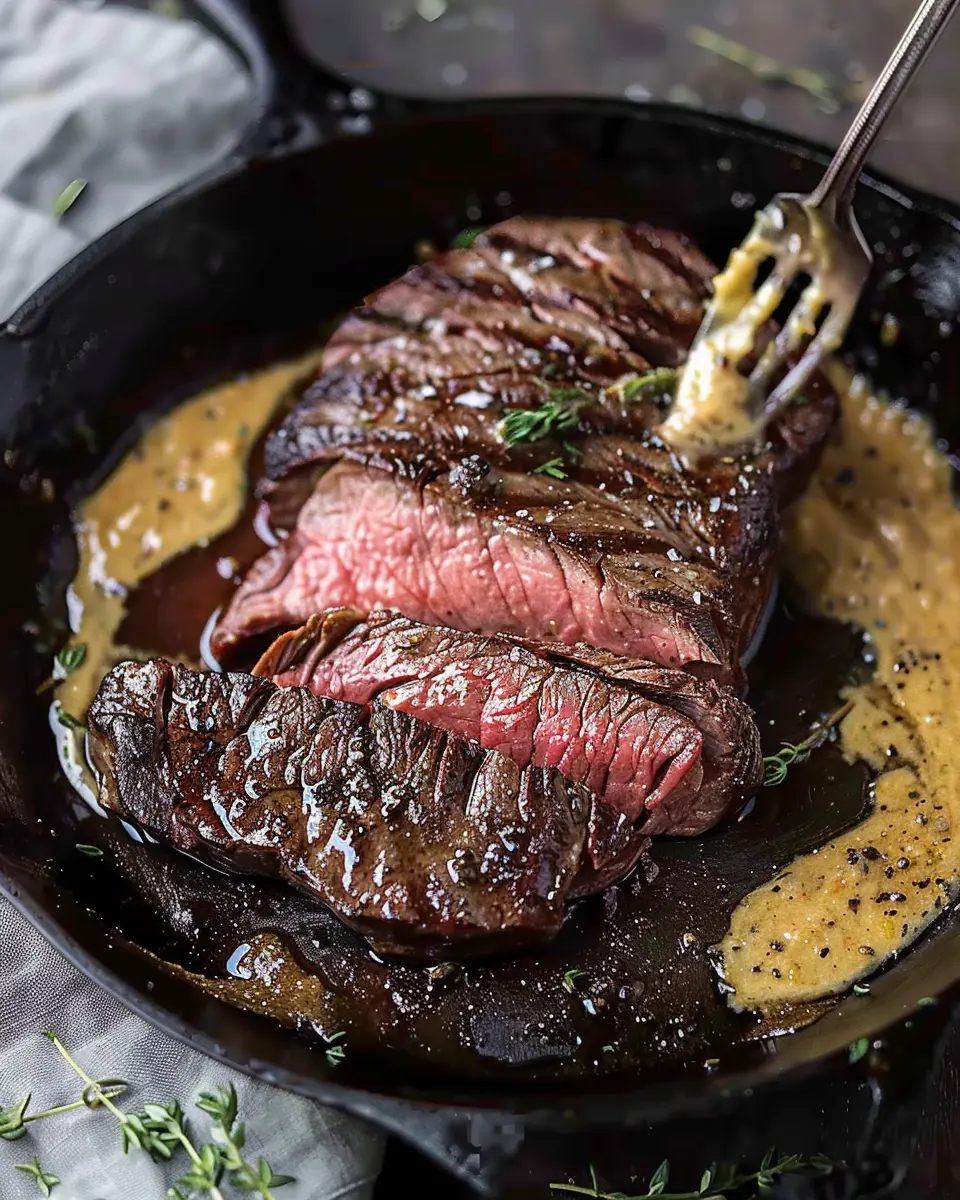
Introduction to Cast Iron Bavette Steak
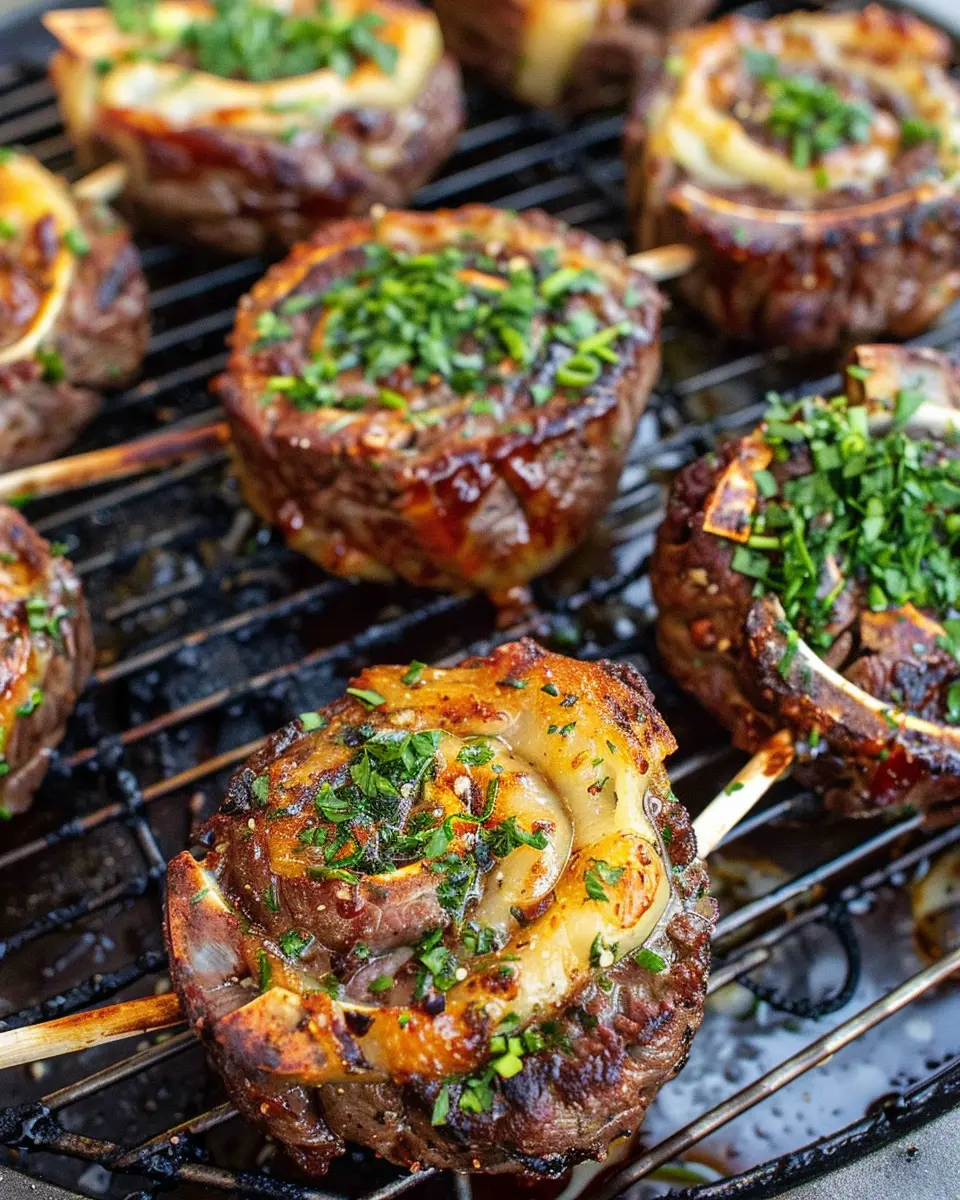
Bavette steak might not be the first cut that comes to mind when you think of luxury meat cuts, but it’s definitely an unsung hero of the protein world. Often overshadowed by its flashier cousins like ribeye or filet mignon, the bavette has a unique charm that’s hard to resist. This wonderfully flavorful and budget-friendly cut comes from the flank area of the cow and is celebrated for its rich, beefy taste and beautifully tender texture when cooked correctly. It’s the perfect choice for anyone looking to impress at a dinner party without breaking the bank!
The reason why many chefs and home cooks adore bavette steak is its versatility. Whether you’re grilling, pan-searing, or, as we’ll focus on today, using a cast iron skillet, this steak can adapt to a variety of cooking styles. According to the American Beef Association, cuts like bavette often provide the same rich flavor as higher-priced steaks but at a fraction of the cost. Talk about a win-win!
What’s even better is that bavette steak is slightly marbled, ensuring it remains juicy while cooking. When prepared in a cast iron skillet, this cut develops a delectably caramelized crust, taking your culinary game to the next level. Not to mention, cooking in cast iron is less fussy than most methods—you can achieve fantastic results with minimal effort.
Now, you might be wondering, “How can I make sure my cast iron bavette steak turns out perfect every single time?” Fear not! With the right technique—seasoning, resting, and slicing against the grain—you’ll be serving up steakhouse-quality meals right from your kitchen.
For an amazing recipe and tips to elevate your cooking, check out this source that delves deeper into steak techniques and cooking methods. And remember, embracing cuts like bavette not only gives your wallet a break but also introduces you to new textures and flavors that are sure to delight! So, let’s dive into the particulars of creating your very own delicious cast iron bavette steak.
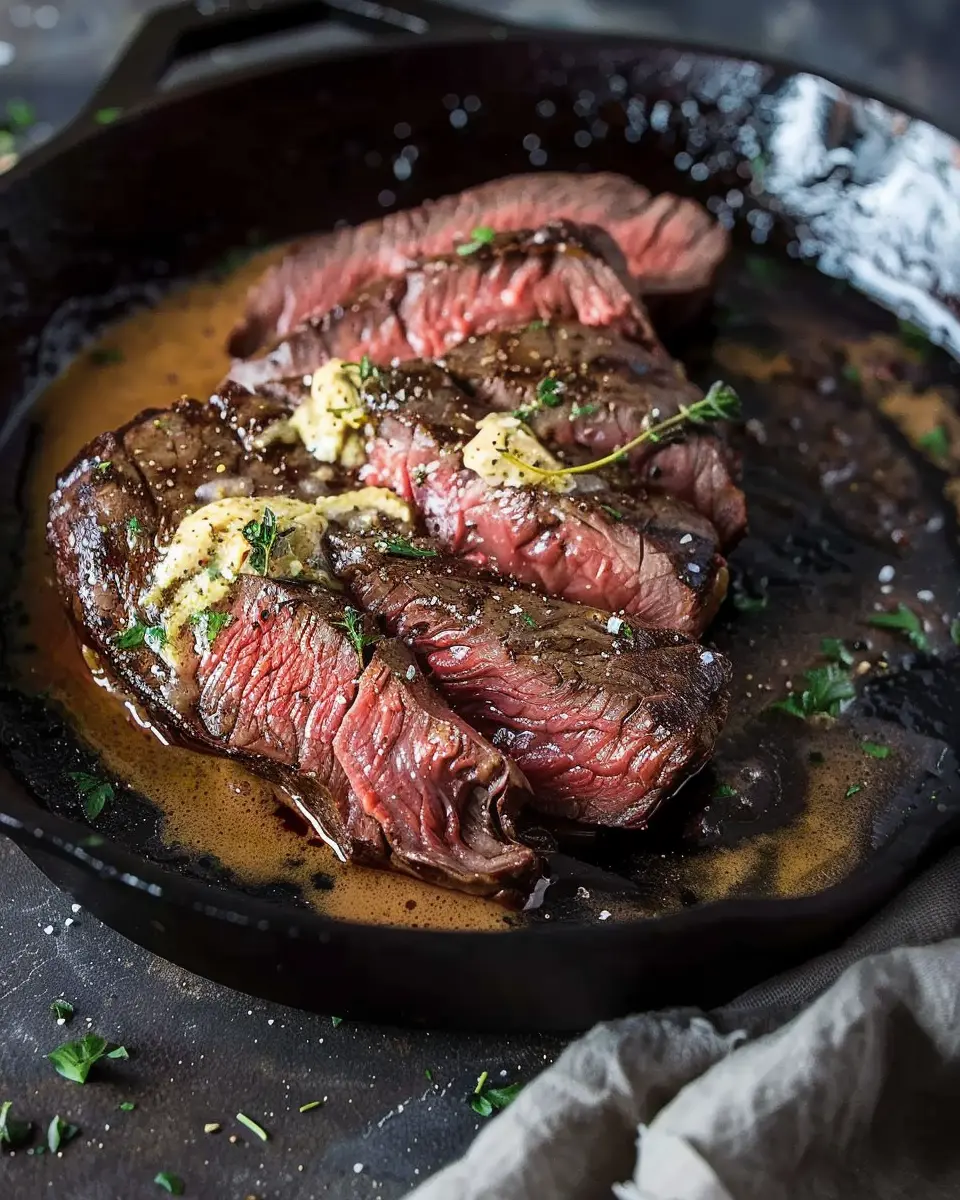
Ingredients for Cast Iron Bavette Steak
Fresh Ingredients You’ll Need for Your Meal
Creating a mouthwatering cast iron bavette steak is all about using the right ingredients. Here’s a simple checklist of fresh items you’ll need to get started:
- Bavette Steak (about 1-1.5 pounds): This cut of beef, also known as flank steak, is flavorful and tender when cooked properly. Look for a well-marbled piece for the best results.
- Olive Oil: A couple of tablespoons for searing. Not only does it help achieve that gorgeous crust, but it also adds a lovely richness.
- Fresh Garlic: About 3-4 cloves, minced. Garlic elevates the flavor and pairs beautifully with the beef.
- Herbs: Fresh rosemary or thyme are excellent choices for added flavor.
- Salt and Pepper: Always use kosher salt and freshly cracked black pepper for seasoning.
- Butter: A couple of tablespoons for basting toward the end of cooking for that irresistible finish.
Having these ingredients on hand will set you up for a delightful cooking experience. For more tips on selecting the perfect cuts of beef, check out this guide from the USDA. Ready to sizzle?
Preparing Cast Iron Bavette Steak
Cooking bavette steak in a cast iron skillet is a game-changer. With its rich beefy flavor and tender texture, this cut of meat is perfect for a weeknight dinner or a special occasion. Let’s dive into how to prepare a delicious cast iron bavette steak, ensuring it’s juicy and bursting with flavor.
Bring the Steak to Room Temperature
Before you start, it’s crucial to let your bavette steak come to room temperature. Why is this important? When meat is at room temperature, it cooks more evenly. Take your steak out of the refrigerator about 30-45 minutes before you plan to cook it. This will also help you achieve that beautiful sear that everyone loves.
While you wait, you can prep any sides you might want to serve. Roasted vegetables or garlic mashed potatoes pair nicely with the steak. Plus, if you like, you can season your meat with salt and pepper at this stage, allowing it to absorb the flavors.
Preheat Your Oven and Skillet
Now it’s time to get things hot! Preheat your oven to 400°F (200°C). This temperature is ideal for finishing your steak after searing.
As the oven heats up, place your cast iron skillet on the stove over medium-high heat. Allow it to preheat for about 5-10 minutes. You want it hot enough to create a beautiful crust on your cast iron bavette steak. A well-preheated cast iron pan is essential for achieving that perfect Maillard reaction, which gives meat its deliciously caramelized surface.
Sear the Steak to Perfection
With your cast iron skillet ready, it’s time for the main event: searing the steak. Drizzle a bit of high smoke point oil—like canola or avocado oil—into the skillet. Once the oil is shimmering but not smoking, carefully place the bavette steak in the pan.
- Sear for about 3-4 minutes on the first side without moving it; this helps build that savory crust.
- Flip the steak using tongs and sear the other side for an additional 3-4 minutes.
If you like garlic or herbs, now’s an excellent time to add crushed garlic cloves, thyme, or rosemary to the skillet for added flavor. You can also baste the steak with the hot oil for extra richness.
Finish Cooking in the Oven
After you’ve achieved a beautiful sear, it’s time to transfer the skillet to your preheated oven. This step allows the cast iron bavette steak to cook evenly throughout.
- Pop the skillet in the oven and roast for another 5-10 minutes, depending on your desired level of doneness. A meat thermometer is your best friend here. Aim for 130°F (54°C) for medium-rare.
If you don’t have a thermometer, just remember to look for that nice pink center that screams “perfectly cooked.”
Let the Steak Rest Before Slicing
Once your steak reaches the desired temperature, remove it from the oven (don’t forget those oven mitts!) and transfer it to a cutting board. This is a crucial step—allowing the steak to rest for 10-15 minutes before slicing helps it retain its juices, ensuring every bite is tender and flavorful.
Slice against the grain for optimal tenderness and serve it up with your favorite sides.
By following these easy steps, you’re well on your way to mastering the art of cooking a cast iron bavette steak. Not only will your taste buds thank you, but your friends and family will be impressed by your culinary skills. Enjoy every juicy bite!
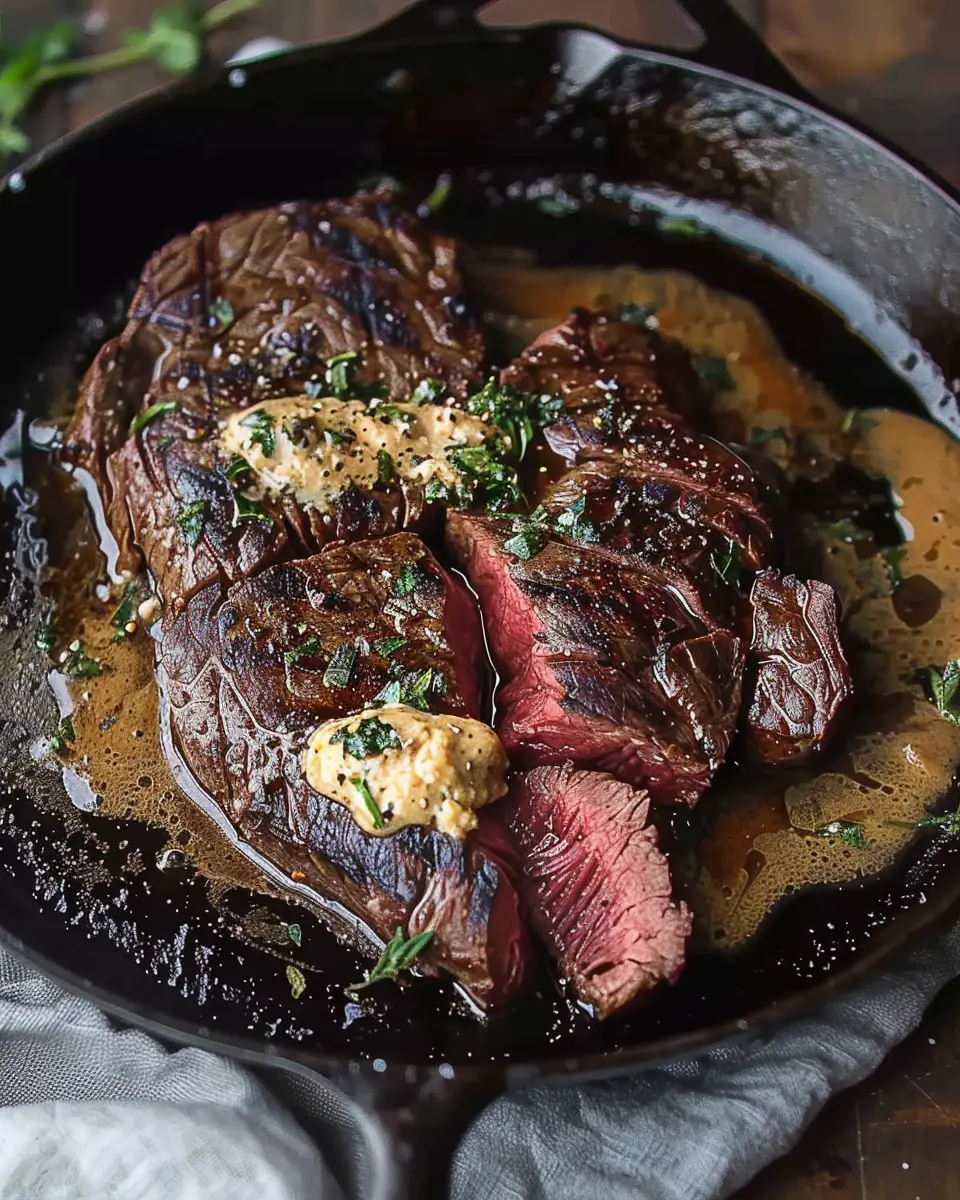
Variations on Cast Iron Bavette Steak
Adding Different Seasonings for a Flavor Punch
One of the best aspects of cooking a cast iron bavette steak is the versatility in seasoning. While salt and pepper are classic, why not expand your flavor horizons? Here are some fun ideas:
- Smoky Paprika: This adds warmth and depth. Just a sprinkle can transform your steak into a smoky delight.
- Herbaceous Blend: Try a mix of rosemary, thyme, and oregano for an aromatic profile that elevates the natural beefy flavors.
- Cajun Spice: If you’re in the mood for a kick, a Cajun rub could be your new best friend. The heat pairs perfectly with the rich texture of the meat.
Incorporating these seasonings helps you personalize your dish while impressing your friends and family. It’s a simple way to keep your cooking exciting!
Incorporating Vegetables for a Complete Meal
A fantastic way to round out your meal is to add vegetables to the pan while preparing your cast iron bavette steak. Think about:
- Asparagus and Cherry Tomatoes: Toss them in the pan for the last few minutes. They’ll absorb the steak’s savory juices and create a vibrant side.
- Bell Peppers and Onions: Sauté these alongside your steak; their sweetness pairs delightfully with the robust flavor of the meat.
These additions not only enhance the dish visually but also provide essential nutrients. For more tips on cooking vegetables, check out this comprehensive guide.
Remember, a balanced plate makes for a happier you! So embrace the flexibility of your cast iron bavette steak and enjoy experimenting with flavors and sides. Happy cooking!
Cooking Tips and Notes for Cast Iron Bavette Steak
Mastering Temperature Control
When cooking a cast iron bavette steak, temperature control is key to achieving that perfect sear and juicy interior. Start by letting your steak come to room temperature for about 30 minutes before cooking. Preheat your cast iron skillet over medium-high heat; you want it hot enough to create a beautiful crust. A quick test? Drop a few droplets of water on the skillet—if they sizzle and evaporate almost instantly, you’re ready to go. For the best results, aim for an internal temperature of 130°F for medium-rare, using a meat thermometer to ensure accuracy.
Importance of Resting Your Steak
Never underestimate the power of resting your steak! Once you’ve cooked your cast iron bavette steak, let it rest on a cutting board for at least 5-10 minutes. This allows the juices to redistribute, ensuring every bite is tender and flavorful. Trust me, it’s worth the wait! Consider pairing it with a side of roasted veggies or a zesty chimichurri sauce for a burst of fresh flavor.
For more kitchen hacks and steak-cooking resources, check out Serious Eats for expert tips and techniques!
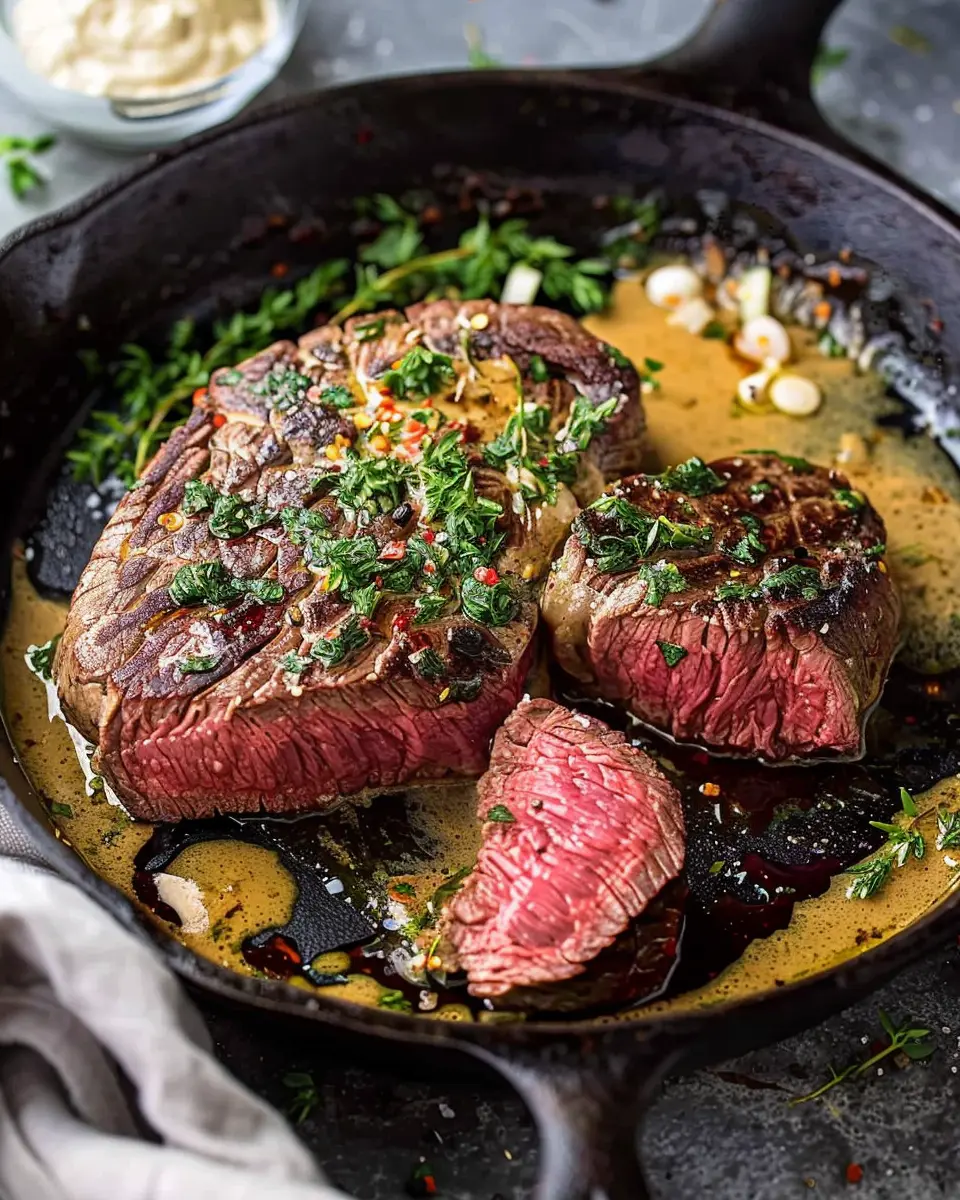
Serving Suggestions for Cast Iron Bavette Steak
Pairing with Sides for a Wholesome Dinner
When it comes to serving your cast iron bavette steak, the right sides can truly elevate your meal. Think about fresh, seasonal vegetables like roasted asparagus or sautéed green beans seasoned with garlic. These vibrant sides add color to your plate and complement the rich flavors of the steak. You might also consider creamy mashed potatoes or a hearty quinoa salad to offer a satisfying and wholesome balance.
For a refreshing twist, a crisp arugula salad dressed with lemon vinaigrette can cleanse the palate beautifully. Imagine the contrast of the zesty greens against the indulgent steak—it’s a match made in heaven.
Creative Garnish Ideas to Impress Guests
To truly wow your guests when serving cast iron bavette steak, consider garnishing with fresh herbs like thyme or rosemary. A sprinkle of flaky sea salt can also enhance the steak’s flavor profile. For a splash of color, try adding pickled red onions or cherry tomatoes on the side.
You can also serve it with a homemade chimichurri sauce, which not only adds a vibrant pop of color but also a zesty kick that pairs perfectly with beef. Such thoughtful touches turn your dinner into a culinary delight—perfect for impressing guests or enjoying a cozy night in.
Time Breakdown for Cast Iron Bavette Steak
Preparation Time
For a mouthwatering cast iron bavette steak, your prep time is around 10-15 minutes. This includes trimming the steak and seasoning it to perfection. If you’re in a rush, try prepping in advance so you can dive straight into cooking when you’re ready.
Cooking Time
Cooking the steak takes about 8-10 minutes. This is where your cast iron skillet shines, giving you that beautiful sear perfect for enhancing the rich, beefy flavors. Remember to let it rest for a few minutes post-cooking to ensure it’s tender and juicy!
Total Time
Overall, you’re looking at roughly 20-25 minutes from start to finish. It’s a quick, delightful recipe that’s perfect for a weeknight dinner or impressing friends at a gathering. With just a few minutes of your time, you can enjoy a savory meal that combines both ease and quality.
For more tips on mastering the art of cooking steak, check out Serious Eats for in-depth techniques. Ready to cook? Let’s get started with that cast iron bavette steak!
Nutritional Facts for Cast Iron Bavette Steak
Calories and Macronutrient Breakdown
When indulging in a delicious cast iron bavette steak, you may be curious about its nutritional profile. A 3-ounce serving offers approximately 215–250 calories, depending on how it’s cooked. The macronutrient breakdown generally includes:
- Protein: 25 grams – an excellent source for muscle repair and growth.
- Fat: 15 grams – primarily healthy fats, essential in moderation.
- Carbohydrates: 0 grams – perfect for low-carb diets.
For more detailed statistics about steak nutrients, you can visit the USDA FoodData Central.
Vitamins and Minerals
In addition to its macronutrients, a cast iron bavette steak is rich in essential vitamins and minerals, including:
- Iron: Vital for oxygen transport in your body.
- Zinc: Supports immune function and wound healing.
- B Vitamins: Plays a crucial role in energy production.
These nutrients not only contribute to a well-rounded diet but also help keep you energized throughout your busy day. So, the next time you sit down to enjoy a flavorful steak, remember you’re also fueling your body with important nutrients!
For more information on the nutritional benefits of beef, check out resources from the Beef Checkoff.
FAQs about Cast Iron Bavette Steak
Cooking a perfect cast iron bavette steak can leave you with a few questions, so let’s bridge that gap. Here are some frequently asked questions to help you get the most out of your cooking adventure!
What’s the best way to know when my steak is done?
One of the simplest methods is using a meat thermometer. For a medium-rare finish, aim for an internal temperature of about 130°F (54°C). If you prefer your steak more done, here are some general guidelines:
- Medium: 140°F (60°C)
- Medium-well: 150°F (65°C)
- Well done: 160°F (71°C)
If you don’t have a thermometer, the finger test can work too, though it’s less precise.
Can I substitute other cuts of meat in this recipe?
Absolutely! While bavette steak is fantastic for its flavor and tenderness, you can easily swap it out for other cuts. Consider using flank steak, skirt steak, or even sirloin. Each brings its unique texture and taste—experiment and see what you love most!
How do I store leftovers properly?
Storing your leftover cast iron bavette steak can be a breeze. Here are a few steps to ensure it stays delicious:
- Allow the steak to cool to room temperature.
- Wrap it tightly in aluminum foil or plastic wrap, or place it in an airtight container.
- Refrigerate for up to three days. If you need to store it longer, consider freezing it. Just make sure to wrap it securely to prevent freezer burn.
For more tips on meat storage, check out resources like the USDA or food safety experts’ guidelines. Happy cooking!
Conclusion on Cast Iron Bavette Steak
Summarizing the Joy of Homemade Steak Dinner
Creating a mouthwatering cast iron bavette steak at home is an experience worth savoring. Not only do you have the satisfaction of mastering a fantastic cut of meat, but you also get to enjoy a delightful meal with friends and family. Imagine the aroma filling your kitchen and the joy on your loved ones’ faces as they dig in.
Cooking steak can be simple and rewarding, making it a perfect choice for any dinner. It’s all about the right technique, which leads to that mouthwatering flavor and tender texture. So, next time you’re in the mood for a culinary adventure, don’t overlook the cast iron bavette steak. It’s sure to impress!
For more inspiration on steak preparation, consider checking out this guide on steak cuts or learn about the health benefits of lean beef from The Beef Checkoff.
PrintCast Iron Bavette Steak: Juicy & Flavorful Dinner Delight
Enjoy a mouthwatering and juicy cast iron bavette steak, perfect for a flavorful dinner. This recipe guides you through crafting a delicious meal that will impress your family and friends.
- Prep Time: 10 minutes
- Cook Time: 10 minutes
- Total Time: 20 minutes
- Yield: 4 servings
- Category: Dinner
- Method: Stovetop
- Cuisine: American
- Diet: Paleo
Ingredients
- 1 lb bavette steak
- 2 tbsp olive oil
- 1 tsp salt
- 1/2 tsp black pepper
- 3 cloves garlic, minced
- 1 sprig fresh rosemary
Instructions
- Preheat your cast iron skillet over medium-high heat.
- Rub the bavette steak with olive oil, salt, and black pepper.
- Add the minced garlic and fresh rosemary on top of the steak.
- Place the steak in the skillet and sear for 4-5 minutes on each side for medium-rare.
- Remove the steak from heat and let it rest for 10 minutes before slicing.
Notes
- For added flavor, let the steak marinate in the seasoning for at least 30 minutes before cooking.
- Adjust cooking time based on your preferred level of doneness.
Nutrition
- Serving Size: 1 steak
- Calories: 350
- Sugar: 0g
- Sodium: 700mg
- Fat: 22g
- Saturated Fat: 7g
- Unsaturated Fat: 14g
- Trans Fat: 0g
- Carbohydrates: 0g
- Fiber: 0g
- Protein: 32g
- Cholesterol: 100mg