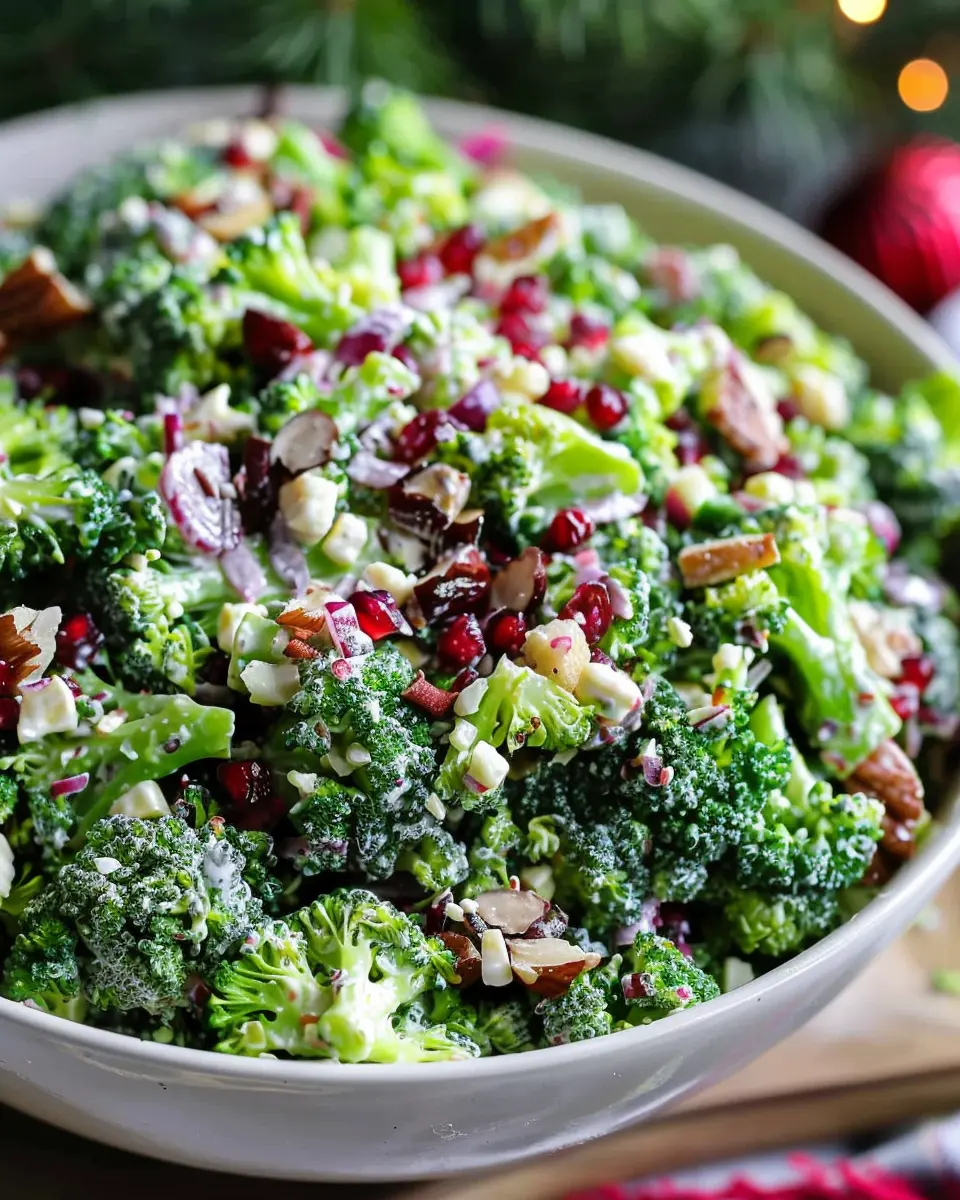

Introduction to Creamy Winter Vegetable Casserole
What is a creamy winter vegetable casserole?
A creamy winter vegetable casserole is the cozy embodiment of comfort food. Imagine a dish loaded with colorful, seasonal vegetables like kale, carrots, and butternut squash, all enveloped in a luscious cream sauce. This casserole is not just a side dish; it’s a warming meal that captures the essence of winter dining. It’s perfect for those chilly nights when you seek nourishment and warmth, combining rich flavors and heartiness. You can easily tailor it to include your favorite vegetables or add protein options like turkey bacon or chicken ham to make it a complete meal. The best part? This dish delivers a symphony of flavors right from your oven!
Why choose homemade over fast food?
In today’s fast-paced world, it’s tempting to lean towards the convenience of fast food. But let’s consider the benefits of preparing a creamy winter vegetable casserole at home.
-
Healthier Ingredients: When you cook at home, you control what goes into your meal. Choosing fresh, quality vegetables ensures that you’re feeding your body nutrients rather than preservatives and unhealthy fats often found in takeout.
-
Cost-Effective: Dining out can add up quickly, but whipping up this casserole is affordable. Seasonal vegetables are often less expensive, and making a big batch means you have leftovers that can stretch your meals throughout the week.
-
Creative Control: Homemade meals allow you to experiment with flavors. Want to sneak in some spinach or swap the cream for a dairy-free alternative? Go for it! Your kitchen is your canvas.
-
Quality Time: Cooking can be a therapeutic activity—an opportunity to unwind after a long day while listening to music or even catching up on a podcast. Plus, it’s a wonderful way to bond with friends or family. Think of how comforting it is to gather around the table, sharing a meal filled with love and effort.
So, the next time you think about grabbing something quick from a drive-thru, remember the warmth and joy that a homemade creamy winter vegetable casserole can bring. For more inspiration on how to prepare wholesome meals, consider checking resources such as the USDA’s nutrition guidelines or EatingWell for creative ideas!

Ingredients for Creamy Winter Vegetable Casserole
Key Vegetables and Why They Matter
For a creamy winter vegetable casserole, you want to choose seasonal vegetables that not only provide vibrant flavors but also pack a nutritional punch. Think of hearty options such as:
- Root vegetables: Carrots and parsnips bring a natural sweetness and a satisfying texture.
- Brussels sprouts: These tiny cabbages add a unique flavor and are rich in vitamins C and K.
- Potatoes: A must-have for creaminess and substance, potatoes are great for inviting everyone to the table.
These ingredients offer more than taste; they contribute to a well-balanced meal rich in nutrients.
Essential Pantry Staples
The beauty of this casserole lies in its simplicity. To achieve that creamy consistency, gather these staples:
- Heavy cream or a dairy-free alternative
- Vegetable or chicken broth: For added depth of flavor
- Cheddar cheese: Choose sharp for a robust flavor
- Seasonings: Salt, pepper, and herbs like thyme or rosemary can elevate your dish.
These pantry essentials will create a comforting base for your casserole.
How Plant-Based Options Enhance the Dish
Incorporating plant-based options not only caters to various diets but also enhances the health profile of your creamy winter vegetable casserole.
- Coconut milk: For a dreamy, dairy-free twist, this adds creaminess without compromising flavor.
- Nutritional yeast: A fantastic substitute for cheese, it brings a cheesy flavor while boosting B vitamins.
- Turkey bacon or chicken ham: These lighter meats can provide a savory and satisfying texture without the heaviness.
Choosing plant-based options not only caters to your taste buds but is also a healthier choice, supporting a balanced lifestyle.
For more tips on maintaining a nutritious diet, check out resources like the Harvard T.H. Chan School of Public Health.
Preparing Creamy Winter Vegetable Casserole
As the days get shorter and temperatures dip, there’s nothing quite like a warm and filling dish to chase away the winter blues. This Creamy Winter Vegetable Casserole is a hearty way to enjoy seasonal produce while also providing comfort and nourishment. Let’s dive into this step-by-step guide on how to prepare this delightful casserole that’s perfect for cozy dinners or festive gatherings.
Gather your ingredients
Before you start, it’s essential to gather all the necessary ingredients. This will make your cooking process smoother and more enjoyable. Here’s what you’ll need:
- 4 cups of assorted winter vegetables (such as broccoli, Brussels sprouts, and carrots)
- 1 cup of cooked Turkey Bacon, chopped
- 1 cup of cooked Chicken Ham, diced
- 1 cup of heavy cream or a dairy-free alternative
- 1 cup of vegetable broth
- 1 tablespoon of olive oil
- 2 cloves of garlic, minced
- 1 teaspoon of dried thyme
- 1 teaspoon of salt
- 1/2 teaspoon of pepper
- 1 cup of grated cheese (cheddar or a blend of your preference)
- Optional: breadcrumbs or fried onions for topping
Check your pantry for extra items or variations you might want to include, such as different herbs or spices. Feel free to explore and enhance flavors, but the foundation of the dish lies in these key ingredients.
Prepare the winter vegetables
Next, it’s time to prep your veggies! Fresh winter vegetables not only add flavor but also provide essential nutrients.
- Wash and chop: Rinse your vegetables thoroughly. For broccoli, cut them into florets; slice the Brussels sprouts in half; and chop the carrots into bite-sized pieces.
- Parboil: To retain their vibrant color and ensure even cooking, parboil the vegetables in salted water for about 5 minutes, then drain and set them aside. This step helps soften them while maintaining a delightful crunch in your casserole.
Preparation is a key element in achieving a beautifully textured dish. Having the right balance between tender and crispy veggies is essential, so don’t skip these steps!
Make the creamy sauce
No casserole is complete without a rich, creamy sauce that ties everything together. Here’s how to whip up your sauce:
- In a pan over medium heat, add the olive oil and minced garlic. Sauté for about 1 minute until fragrant.
- Stir in the heavy cream and vegetable broth, then add the dried thyme, salt, and pepper. Allow the sauce to simmer gently for about 5-7 minutes to thicken slightly.
This creamy mixture will envelop your vegetables wonderfully, making every bite a cozy experience.
Combine everything in a baking dish
After preparing the components, it’s time for the fun part—combining it all!
- In a large mixing bowl, combine the parboiled vegetables, chicken ham, chopped turkey bacon, and creamy sauce. Stir well until everything is evenly coated.
- Pour this delightful mixture into a greased baking dish, spreading it evenly.
Your casserole is already looking tempting! But we’re not finished yet.
Add the desired topping
To make your Creamy Winter Vegetable Casserole even more enticing, you’ll want to add a topping. Here are two options:
- Cheese: Sprinkle the grated cheese generously over the top for a gooey, melty finish.
- Breadcrumbs or fried onions: If you prefer a crispy texture, consider mixing breadcrumbs with a little melted butter and spreading that over the casserole.
Choose one or both based on your taste preference!
Bake to perfection
Finally, it’s time to let your casserole shine.
- Preheat your oven to 350°F (175°C).
- Cover the baking dish with foil and bake for 25 minutes. Then, uncover and bake for an additional 15-20 minutes until bubbly and golden brown.
The aroma wafting through your kitchen will be irresistible! Once baked, let it rest for a few minutes before serving. This allows the flavors to settle and makes for easier servings.
There you have it! Enjoy your warm and comforting Creamy Winter Vegetable Casserole as a main dish, side, or even leftovers—if you’re lucky enough to have some! Let’s be honest, it’s hard to resist diving back for seconds. Happy cooking!

Variations on Creamy Winter Vegetable Casserole
When it comes to creamy winter vegetable casserole, the options for personalization are endless! Let’s explore some delightful variations that will keep your meals exciting all season long.
Seasonal Ingredient Swaps
Make the most out of what’s fresh and local. Instead of sticking to a generic mix, consider ingredients like:
- Brussels sprouts for a nutty flavor
- Sweet potatoes for natural sweetness and a vibrant color
- Kale or collard greens for an earthy touch
These swaps not only enhance flavor but also introduce a wealth of nutrients that are perfect for those chilly months. Check out your local farmers market to discover seasonal delights!
Vegan Adaptation
If you’re looking to create a plant-based version of your creamy winter vegetable casserole, consider using:
- Cashew cream or coconut milk as a rich, creamy base
- Instead of turkey bacon, try smoky tempeh or mushrooms to add depth
These substitutes maintain the comforting essence of the dish while catering to vegan diets. Need a guide on making cashew cream? This article has you covered!
Incorporating Protein
Want to boost the nutritional profile of your casserole? Adding protein completes the dish beautifully. Options include:
- Grilled chicken ham for a savory kick
- Quinoa or lentils as plant-based proteins
These elements not only enhance taste but also keep you feeling full longer, making your casserole a satisfying choice for a weeknight dinner. Remember, the beauty is in the versatility—so experiment and find what delights your palate!
Cooking Tips and Notes for Creamy Winter Vegetable Casserole
How to Ensure the Perfect Creaminess
To achieve that rich, creamy goodness in your creamy winter vegetable casserole, start with a base of heavy cream or a creamy plant-based alternative. Don’t skimp on seasonings, as they play a vital role in making the dish pop. A sprinkle of nutmeg can add an unexpected warmth. Remember, gently fold in your cooked vegetables to maintain a velvety texture and avoid breaking them down too much.
Binders and Thickeners You Can Use
For a thicker casserole, consider using:
- Cornstarch or arrowroot mixed in cold water for a gluten-free option.
- Cream cheese or a bit of sour cream for added richness.
- Cheese varieties like Gruyere or Parmesan not only enhance flavor but also contribute to that creamy texture.
Feel free to explore options like this guide to thickeners for more insights. Each addition can transform your casserole into a luxurious dish, making it the ultimate comfort food for chilly evenings.

Serving Suggestions for Creamy Winter Vegetable Casserole
Pairing with Side Dishes
To elevate your creamy winter vegetable casserole, consider pairing it with complementary side dishes that enhance its rich flavors. A fresh mixed green salad dressed in a light vinaigrette can add a refreshing contrast. Alternatively, serve it with hearty whole-grain bread or garlic bread, which soak up the casserole’s creamy texture beautifully. For those craving something more filling, a quinoa or brown rice pilaf works wonders, providing a nutty flavor and texture that balances the dish.
Ideal Beverage Alternatives to Complement the Meal
When thinking of what to sip alongside your creamy winter vegetable casserole, opt for warm herbal teas or sparkling water infused with fresh citrus. These refreshing choices can cut through the richness of the casserole. If you’re in the mood for something a bit heartier, try pairing it with a homemade apple cider. Not only does it bring warmth, but it also adds a sweet and tangy twist that can brighten the entire meal.
For more ideas on side dishes and drink pairings, check out resources like Bon Appétit and Epicurious. Enjoy serving this delicious dish and create a cozy atmosphere that keeps everyone coming back for seconds!
Time breakdown for Creamy Winter Vegetable Casserole
When it comes to crafting the perfect creamy winter vegetable casserole, understanding the time commitment is essential. Here’s how it breaks down:
Preparation time
Plan for about 20 minutes to gather and prep your fresh veggies and ingredients. This gives you ample time to chop, dice, and mix everything together without feeling rushed—because we all know that cooking should be enjoyable!
Cooking time
Once everything is prepped, pop that casserole into the oven for about 45 minutes. This is when the magic happens—the ingredients meld together beautifully, creating that comforting, creamy goodness we all crave in the winter months.
Total time
In total, you’ll be looking at around 65 minutes from start to finish. Not too bad for a dish that is not only hearty but also perfect for impressing friends or family!
For a few tips on enhancing your casserole game, check out this guide on casserole cooking tips from Simply Recipes. Happy cooking!
Nutritional facts for Creamy Winter Vegetable Casserole
Calories
A serving of Creamy Winter Vegetable Casserole typically contains around 250-300 calories. This makes it a hearty yet manageable option for a cozy winter meal.
Key nutritional benefits
This casserole is not just delicious; it’s packed with nutrients! Loaded with seasonal vegetables like carrots, broccoli, and spinach, it provides essential vitamins A and C, promoting immune health. The creamy sauce, made with a blend of low-fat dairy and herbs, adds calcium to your diet, while the Turkey Bacon and Chicken Ham contribute lean protein. For a deeper look into the nutritional value of winter veggies, consider checking out Healthline.
Allergen considerations
When preparing your Creamy Winter Vegetable Casserole, be mindful of common allergens. Dairy can be replaced with plant-based alternatives if you’re lactose intolerant, and gluten-free breadcrumbs can make this dish suitable for those with gluten sensitivities. Always check labels to ensure there are no hidden allergens in your ingredients, especially with processed turkey and chicken products.
This casserole can become a versatile staple in your winter meal rotation, offering warmth and nourishment as the temperatures drop. Don’t forget to experiment with different vegetables based on what’s available; it’s a wonderful opportunity to get creative in your kitchen!
FAQs about Creamy Winter Vegetable Casserole
Can I use frozen vegetables?
Absolutely! Using frozen vegetables in your creamy winter vegetable casserole is not only convenient but also time-saving. Frozen veggies retain most of their nutrients and flavors since they are typically flash-frozen shortly after harvesting. Just a quick tip: if you’re using frozen vegetables, you might want to slightly reduce the cooking time, as they are often pre-cooked. This will help avoid a mushy texture and keep your casserole delightful.
How long can I store leftovers?
Leftovers from your creamy winter vegetable casserole can be a real treat for busy weeknights or quick lunches. After cooking, let them cool completely before transferring to an airtight container. You can keep it in the refrigerator for about 3 to 5 days. If you want to enjoy it later, consider freezing individual portions; it will last around 2 to 3 months in the freezer. Just remember to reheat thoroughly before serving!
What are easy serving tips?
Serving your creamy winter vegetable casserole can be as simple or fancy as you want. Here are a few ideas to elevate the experience:
- Pair with a fresh salad: A light, tangy salad can balance the richness of the casserole.
- Serve with crusty bread: Perfect for scooping up that creamy goodness!
- Top with herbs or cheese: Fresh parsley, chives, or a sprinkle of cheese can add a lovely finishing touch.
Consider checking out resources like the USDA’s Food Safety site for best practices on food storage and safety. Enjoy your cooking adventure!
Conclusion on Creamy Winter Vegetable Casserole
Why this casserole is a must-try
When winter rolls around, there’s nothing quite like a comforting dish to warm your heart and home. This creamy winter vegetable casserole is a standout for its blend of seasonal vegetables and a rich, creamy sauce that elevates even the simplest ingredients.
Not only is it a delightful way to enjoy fresh produce, but it’s also versatile enough to adapt to your preferences—swap in your favorite veggies or proteins! Plus, it’s an ideal meal prep option for busy professionals looking to enjoy wholesome food throughout the week.
Give this creamy winter vegetable casserole a go, and elevate your winter meal lineup. For a little extra nutritional boost, consider pairing it with a fresh salad or some crusty whole grain bread to enjoy a well-rounded dining experience! For more inspiration, check out resources from EatingWell for tips on enhancing your vegetable dishes.
PrintCreamy Winter Vegetable Casserole: Easy Comfort Food Delight

A delicious and hearty dish perfect for cold winter nights.
- Prep Time: 15 minutes
- Cook Time: 45 minutes
- Total Time: 1 hour
- Yield: 4 servings
- Category: Casserole
- Method: Baking
- Cuisine: American
- Diet: Vegetarian
Ingredients
- 2 cups chopped winter vegetables (carrots, potatoes, and broccoli)
- 1 cup heavy cream
- 1 cup shredded cheese (cheddar or your choice)
- 1 teaspoon garlic powder
- 1 teaspoon onion powder
- salt to taste
- black pepper to taste
- 1 tablespoon olive oil
Instructions
- Preheat the oven to 350°F (175°C).
- In a large mixing bowl, combine the chopped vegetables with garlic powder, onion powder, salt, and pepper.
- Add the heavy cream and cheese to the mixture, stirring to combine.
- Transfer the mixture to a greased baking dish.
- Drizzle with olive oil and cover with foil.
- Bake for 30 minutes, then remove the foil and bake for an additional 15 minutes until the top is golden brown.
Notes
- For added flavor, consider adding herbs like thyme or rosemary.
Nutrition
- Serving Size: 1 cup
- Calories: 350
- Sugar: 4g
- Sodium: 600mg
- Fat: 25g
- Saturated Fat: 15g
- Unsaturated Fat: 7g
- Trans Fat: 0g
- Carbohydrates: 30g
- Fiber: 5g
- Protein: 8g
- Cholesterol: 70mg