Introduction to Korean Pancakes
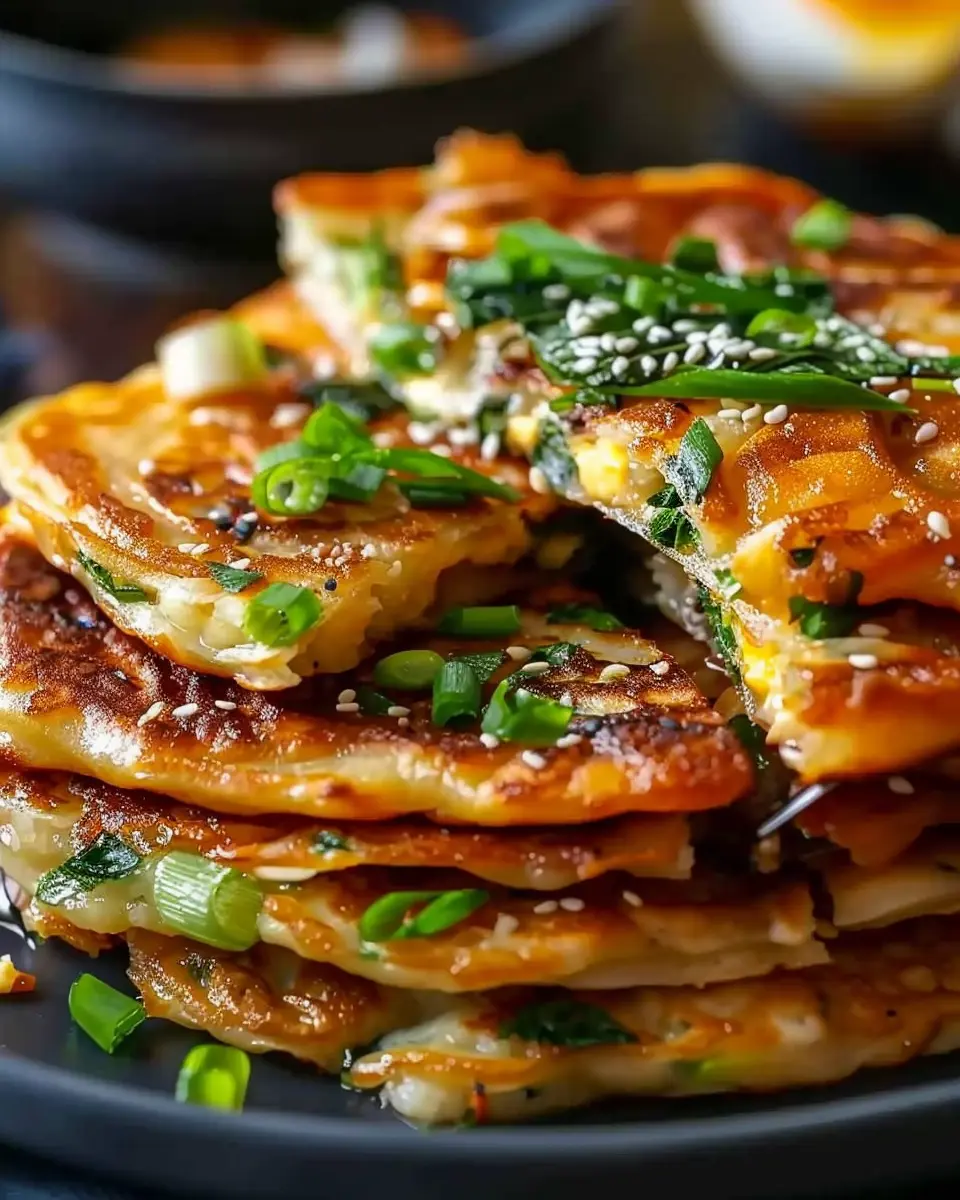
Korean pancakes, known as pajeon, are not just a dish; they are an experience waiting to happen. If you’ve ever been intrigued by the vibrant and diverse flavors of Korean cuisine, you may have stumbled upon these delightful pancakes. What sets them apart from your regular breakfast fare? Well, for starters, they are loaded with a variety of fresh ingredients, making them both tasty and nutritious.
Originating from Korea, pajeon often features green onions as the star ingredient, but the beauty of Korean pancakes lies in their versatility. You can experiment with various add-ins like sweet potato, seafood, or even different proteins such as turkey bacon or chicken ham. This flexibility makes them perfect for any meal—whether it’s breakfast, lunch, dinner, or a snack!
The texture is another stand-out feature. Crispy on the outside and soft on the inside, each bite is a delightful contrast that keeps you coming back for more. Pair them with a simple dipping sauce made of soy sauce, vinegar, and a splash of sesame oil, and you’ll have a dish that’s not only flavorful but also incredibly moreish.
Fun Fact: Did you know that pajeon is often enjoyed during rainy days in Korea? It’s said that the sound of the rain complements the sizzling sounds of the pancakes cooking!
If you’re new to Korean cuisine, making pajeon is a fantastic way to dip your toes into this culinary world. They’re simple enough for beginners, yet sophisticated in flavor; it’s a dish that can impress your friends without keeping you in the kitchen for hours.
For more insight into Korean cooking techniques, you might want to check out Maangchi, an excellent resource for authentic recipes and guidance.
So, are you ready to make your own Korean pancakes? Grab your ingredients, and let’s embark on this delicious journey together!
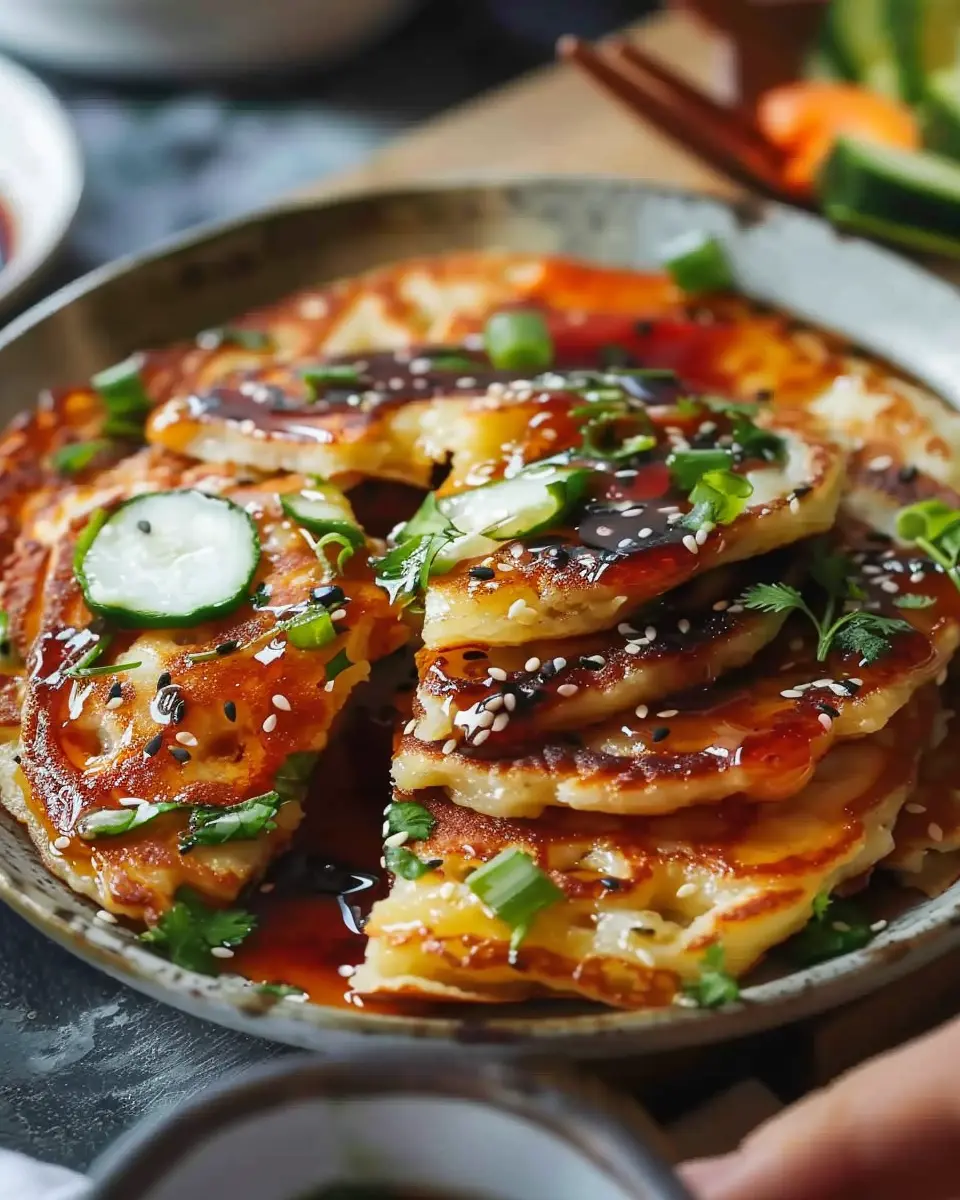
Ingredients for Korean Pancakes
When it comes to whipping up some delicious Korean pancakes, selecting the right ingredients is key to achieving that perfect balance of flavor and texture. Here’s a handy list to help you channel your inner chef!
Essential Ingredients
- Flour: All-purpose flour works beautifully, giving you a tender yet slightly chewy pancake.
- Water or Vegetable Broth: For mixing into the batter, it adds moisture and flavor.
- Eggs: These create a binding effect and enhance the richness of the pancakes.
- Green Onions: Chopped finely, these add a refreshing crunch and a slight pungent kick.
Optional Ingredients for Extra Flavor
- Turkey Bacon or Chicken Ham: Adding bits of these gives a savory layer, perfect for elevating your Korean pancakes.
- Beef: Thinly sliced pieces can give a hearty touch to your dish.
- Vegetables: Carrots, zucchini, or bell peppers can brighten up your pancakes, both in flavor and color!
Don’t forget to adjust your ingredients to fit your taste preferences! For more ideas and variations, check out MFoodie for inspiration. Enjoy making these delightful Korean pancakes!
Step-by-step Preparation of Korean Pancakes
Korean pancakes, or jeon, are a staple in Korean cuisine, known for their crisp edges and tender interior, often packed with delicious vegetables. Whether you’re planning a cozy weekend brunch or a quick weeknight dinner, these pancakes are bound to be a hit. Let’s dive into making Korean pancakes, step by step.
Gather the ingredients
First things first, you need to gather the right ingredients to make those delectable korean pancakes. Here’s what you’ll need:
- 1 cup all-purpose flour
- 1 cup water (or vegetable broth for added flavor)
- 1/2 teaspoon salt
- 1 cup mixed vegetables (like zucchini, carrots, and scallions)
- Optional add-ins: Turkey bacon, chicken ham, or even fresh seafood like shrimp
- Cooking oil (preferably vegetable or sesame oil)
The vegetables’ flavors are essential for the taste of the pancakes. You can adjust the vegetable ratios based on what’s in your fridge or to your personal preference.
Make the batter
Now let’s whip up the batter! In a mixing bowl, combine the flour, water, and salt. Stir until the mixture is smooth—think of it as a savory pancake batter. It shouldn’t be too thick; if it is, add a splash more water. Feel free to check out this guide on batter consistency to help you nail this step.
Incorporate the vegetables
Once your batter is ready, it’s time to make it colorful and nutritious by incorporating the vegetables. Chop your choice of vegetables into thin, bite-sized pieces and fold them into the batter. The more vibrant your vegetable selection, the more appealing your korean pancakes will be. If you’re adding turkey bacon or chicken ham, dice it into small pieces at this stage, too.
Season the mixture
Don’t skip the seasoning—this is where the magic happens! You can add a few pinches of black pepper, a dash of soy sauce, or even some gochugaru (Korean red pepper flakes) if you want a touch of heat. Seasoning helps elevate the dish and enhances the flavors of the vegetables. Feel free to play around here; perhaps a sprinkle of sesame seeds before cooking will add that extra crunch and flavor.
Cook the pancakes
Now it’s time for the fun part! Heat a non-stick skillet over medium heat and add a generous drizzle of cooking oil. Once the oil is hot, pour a scoop of the batter into the pan, using the back of your spoon to gently spread it out into a circle. Be mindful not to overcrowd the pan; you want each pancake to have space to crisp up.
Flip and golden brown perfection
After about two to three minutes, you’ll notice the edges starting to crisp. Here comes the test: gently slide a spatula underneath and flip it over. You’re aiming for that golden-brown perfection on both sides. Cooking the pancake for about two more minutes on the other side completes the transformation into a beautifully cooked dish.
Serve fresh from the pan
Once cooked, transfer your pancakes to a plate lined with paper towels to absorb any excess oil. To enjoy them at their best, serve fresh from the pan with a side of dipping sauce, such as a mix of soy sauce, sesame oil, and a sprinkle of chopped scallions. Trust me, these korean pancakes are best when they’re hot, crispy, and ready to be devoured.
If you happen to have leftovers (unlikely, but it can happen), store them in the fridge for up to two days, and gently reheat in a skillet for a quick meal later on.
Making korean pancakes is both simple and satisfying—bringing a taste of Korea right to your kitchen. So gather your ingredients and get flipping!
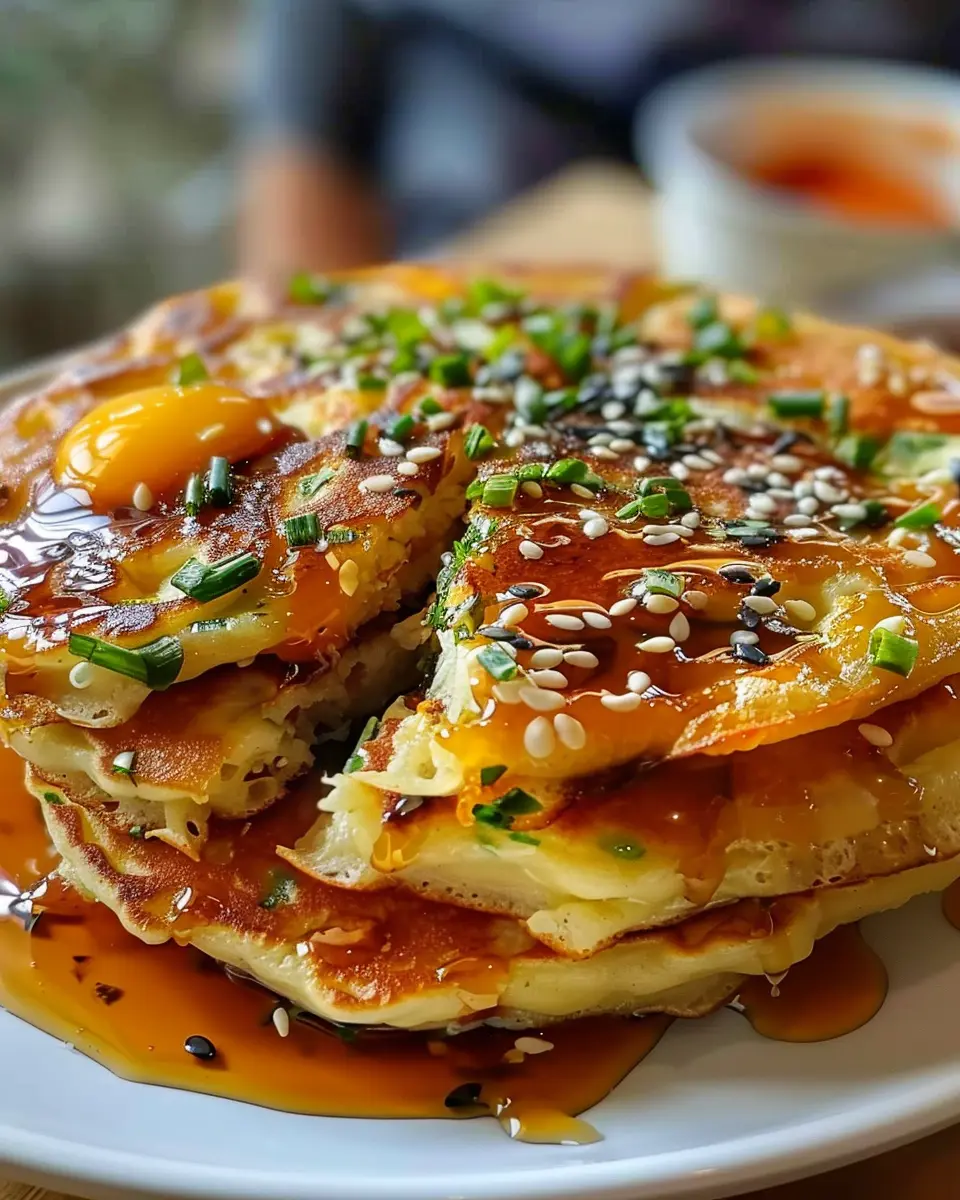
Variations of Korean Pancakes
Korean pancakes, or jeon, are incredibly versatile and can be customized to suit your taste preferences. Whether you’re a fan of seafood, vegetables, or spicy flavors, there’s a version for everyone!
Savory Seafood Pajeon
One of the most popular types of Korean pancakes is pajeon, loaded with fresh seafood. Imagine a crispy outer layer enveloping tender pieces of shrimp and squid. The joyful crunch meets the satisfying chew of scallions, creating a wonderfully textured bite.
- Ingredients: Combine flour, water, eggs, and your choice of seafood (like squid and shrimp). Don’t forget scallions for that beautiful green burst!
- Cooking Tip: Serve with a soy dipping sauce mixed with some vinegar and chili flakes for a kick!
For more inspiration, you might want to explore Maangchi, a fantastic resource on Korean cuisine.
Flavor-Packed Kimchi Pancakes
If you’re a fan of bold flavors, kimchi pancakes will quickly become your go-to recipe. The fermented cabbage not only adds zest but also brings a delightful spiciness.
- Mixing It Up: Add flour and water to the base of your kimchi (and a touch of chili powder for extra spice). The tanginess of the kimchi balances perfectly with a crispy pancake exterior.
- Serving Suggestion: Pair these with a cool dipping sauce made from soy sauce and chopped green onions.
Fresh Vegetable-Only Pancakes
Sometimes, simplicity is key, and these vegetable-only pancakes are a brilliant choice for a lighter option. Incorporate whatever veggies you have on hand—zucchini, carrots, or bell peppers work wonderfully.
- How to Make: Similar to other korean pancakes, just mix the vegetables with a batter made from flour and water. This is the perfect dish to sneak in those vitamins!
- Serving Idea: A drizzle of sesame oil on top adds an extra layer of flavor that you won’t want to miss.
With each variation, Korean pancakes offer a delightful twist to your meal, making them perfect for brunch or a cozy dinner. Which one will you try first?
Cooking Tips and Notes for Korean Pancakes
When diving into the delicious world of Korean pancakes, you want to ensure that your dish stands out. Here are some handy tips to elevate your pancake game:
Balance Your Ingredients
-
Flour Choices: Try using a mix of all-purpose and gluten-free flour for an interesting texture. Many Korean pancakes traditionally use rice flour, so feel free to experiment.
-
Vegetable Variety: Use a colorful assortment of veggies like scallions, carrots, and even zucchini. The more vibrant your mix, the more visually appealing your pancakes will be!
Enhance Flavor
-
Adding Protein: If you’re looking for a heartier meal, consider incorporating Turkey bacon or Chicken ham into the batter. This not only adds depth but also makes your pancakes more filling.
-
Dipping Sauce: A simple soy sauce with a splash of lemon juice or vinegar makes a fantastic dipping sauce. Want to be adventurous? Add some gochugaru for a spicy twist!
Cooking Technique Matters
-
Heat Control: Ensure your skillet is hot enough before you pour the batter. This helps to create that signature crispy edge everyone loves!
-
Thickness Preference: For thicker pancakes, be mindful to reduce the cooking time slightly, ensuring they cook well through the middle without burning on the edges.
Feeling inspired? Check out this informative resource on pancake variations for a deeper dive into your cooking adventure!
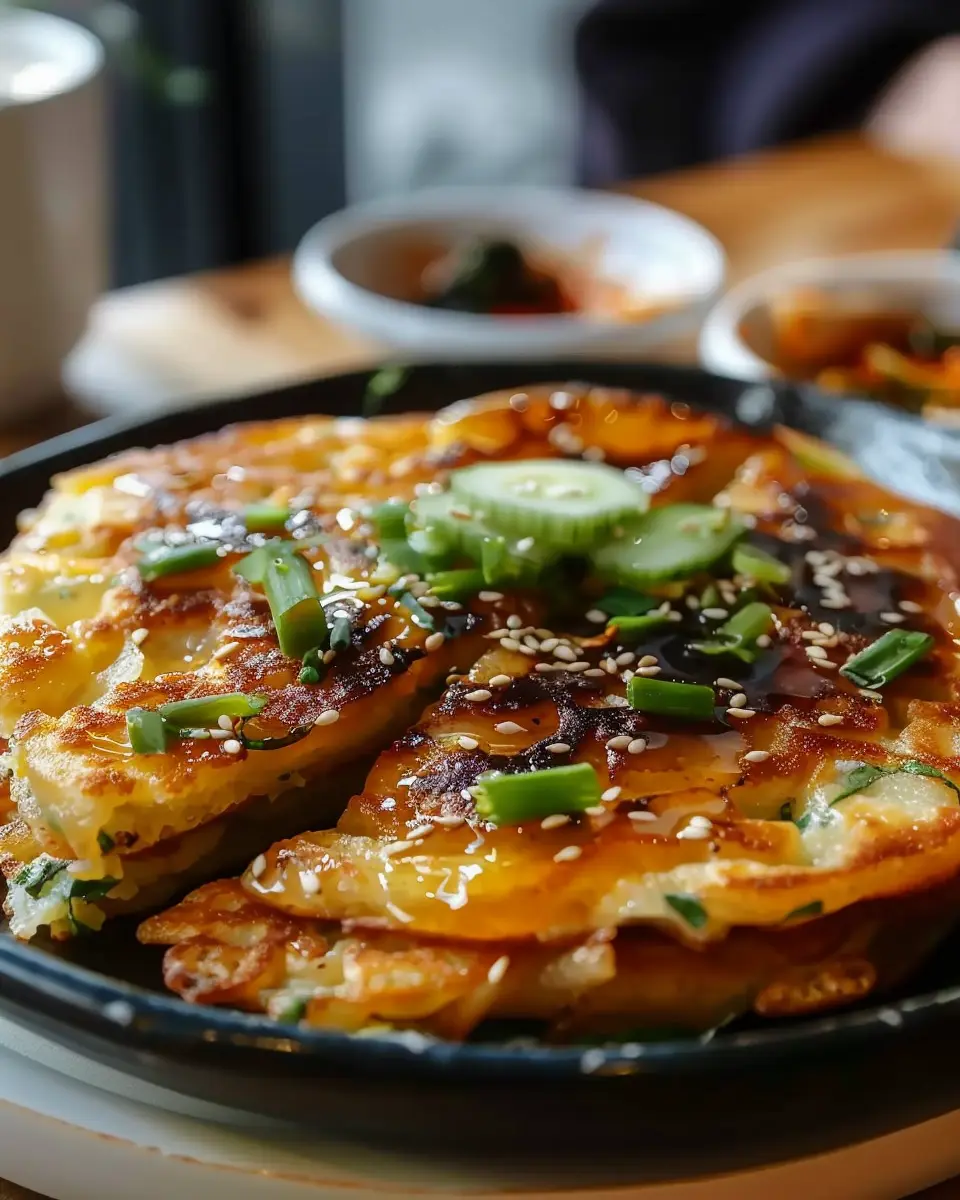
Serving Suggestions for Korean Pancakes
Korean pancakes are incredibly versatile and can be enjoyed in numerous ways. Here are some delightful serving suggestions to elevate your meal and impress your friends!
Pair with Savory Dips
A tasty dipping sauce can take your korean pancakes to the next level. Consider mixing soy sauce with a dash of sesame oil, finely chopped scallions, and a sprinkle of chili flakes for a delicious zing. This balance of salty and spicy will complement the pancakes beautifully.
Add Proteins for a Complete Meal
Why not make your korean pancakes a full meal? Pair them with protein-rich options like savory turkey bacon or chicken ham. These additions will not only enhance the flavor but also keep you satiated.
Fresh Vegetables
Serve your pancakes with a side of fresh veggies. Think along the lines of crisp cucumber slices or a light salad drizzled with sesame dressing. This will add a refreshing crunch that perfectly offsets the pancake’s texture.
Explore Beverage Options
To wash it all down, consider a cold glass of iced tea or a refreshing lemonade. These drinks are perfect for balancing out the rich flavors of your meal.
Want more ideas? Check out Bon Appétit’s guide on Korean cuisine for inspiration on side dishes and beverages that complement korean pancakes wonderfully!
Time Breakdown for Korean Pancakes
Preparation Time
Getting started on your Korean pancakes is a breeze! You’ll need around 15 minutes to gather your ingredients, chop up any veggies, and whip up the batter. It’s like your creative warm-up — the perfect space to enjoy your coffee or tea.
Cooking Time
Once you’ve got your ingredients prepped, the cooking part is a cinch. Each pancake takes about 5 minutes to cook. If you’re making a big batch for friends, expect to spend around 30 minutes in total at the stove. Multitask — maybe blast some tunes while you flip those fluffy delights!
Total Time
In total, you’re looking at just about 45 minutes from start to finish. So, whether you’re planning a cozy brunch or an easy weeknight dinner, your Korean pancakes will be ready in no time! For more tips on serving and customizing these pancakes, check out this helpful guide over at My Korean Kitchen.
Nutritional Facts for Korean Pancakes
Understanding the nutritional breakdown of Korean pancakes can help you enjoy this delicious dish while staying mindful of your dietary goals. Here’s what you can expect:
Calories
A serving of korean pancakes typically contains around 150-200 calories, making them a delightful option for a meal or snack without being overly indulgent.
Protein Content
These pancakes are a great choice for anyone looking to boost their protein intake. Each serving usually provides about 5-7 grams of protein, especially if you add ingredients like protein-rich vegetables or a side of Turkey Bacon to your plate.
Fat Content
You’ll find that korean pancakes hold about 5-8 grams of fat, depending on the cooking method and any added ingredients. The use of healthy oils can keep this part of your meal light yet satisfying.
Incorporating these pancakes into your culinary repertoire not only tantalizes your taste buds but also serves as a nourishing option! For more about the health benefits of pancakes, feel free to explore Healthline’s article on refined carbohydrates.
FAQs about Korean Pancakes
Can I make Korean pancakes gluten-free?
Absolutely! If you want to enjoy Korean pancakes but need a gluten-free option, you can substitute regular flour with gluten-free flour blends. Look for a mix that contains ingredients like rice flour, potato starch, or tapioca flour, which mimic the texture of the traditional pancakes. This way, you won’t miss out on the deliciousness while adhering to your dietary needs.
How do I keep Korean pancakes crispy?
One of the keys to keeping your Korean pancakes crispy is the frying technique. Use a good amount of oil in a hot skillet, ensuring that the oil is shimmering before adding the batter. After cooking one side until golden brown, flip it carefully to maintain the crunch. Also, consider serving them right away—the longer they sit, the less crispy they become. If you have leftovers, you can reheat them in a toaster oven for that freshly fried texture.
What can I serve with Korean pancakes?
Korean pancakes are incredibly versatile and pair beautifully with a variety of sides. Traditionally, they are served with a soy dipping sauce, but feel free to experiment! Here are some delicious options:
- Sliced vegetables like cucumbers and carrots
- Turkey bacon or chicken ham for a savory touch
- Fresh herbs like green onions or cilantro to sprinkle on top
- A tangy salad to refresh your palate
For more serving ideas, check out this recipe website for interesting twists on traditional flavors. Whether you’re enjoying them for breakfast or as a snack, Korean pancakes are sure to delight!
Conclusion on Korean Pancakes
In summary, Korean pancakes are a delightful way to explore vibrant flavors and textures in your kitchen. Their versatility makes them suitable for breakfast, a snack, or even a light dinner. Whipping up a batch of Korean pancakes allows you to experiment with all kinds of add-ins—think vegetables, seafood, or even Turkey Bacon and Chicken Ham. As you savor each crispy bite, you’ll not only enjoy a delicious dish but also appreciate the cultural significance they hold in Korean cuisine.
If you’re looking for more culinary inspiration, check out resources like Serious Eats or BBC Good Food for diverse recipes that can complement your new-found love for these delightful treats! Happy cooking!
PrintKorean Pancakes: Easy Recipe with Turkey Bacon and Veggies
Learn how to make delicious Korean pancakes with turkey bacon and fresh veggies.
- Prep Time: 10 minutes
- Cook Time: 20 minutes
- Total Time: 30 minutes
- Yield: 4 servings
- Category: Appetizer
- Method: Frying
- Cuisine: Korean
- Diet: Gluten-Free
Ingredients
- 1 cup all-purpose flour
- 1 cup water
- 2 eggs
- 1 cup chopped green onions
- 1 cup chopped bell pepper
- 1 cup cooked turkey bacon, chopped
- 1 teaspoon salt
- 1 teaspoon black pepper
- 2 tablespoons vegetable oil
Instructions
- In a bowl, combine flour, water, eggs, salt, and pepper, and mix until smooth.
- Add in the green onions, bell pepper, and turkey bacon. Stir until well combined.
- Heat oil in a non-stick pan over medium heat.
- Pour batter into the pan and cook until golden brown on both sides.
- Repeat with remaining batter.
- Serve warm with dipping sauce.
Notes
- Feel free to add any other vegetables you like.
- These pancakes can be made ahead and reheated.
Nutrition
- Serving Size: 2 pancakes
- Calories: 300
- Sugar: 1g
- Sodium: 600mg
- Fat: 15g
- Saturated Fat: 3g
- Unsaturated Fat: 10g
- Trans Fat: 0g
- Carbohydrates: 30g
- Fiber: 2g
- Protein: 12g
- Cholesterol: 100mg