Introduction to Mongolian Beef
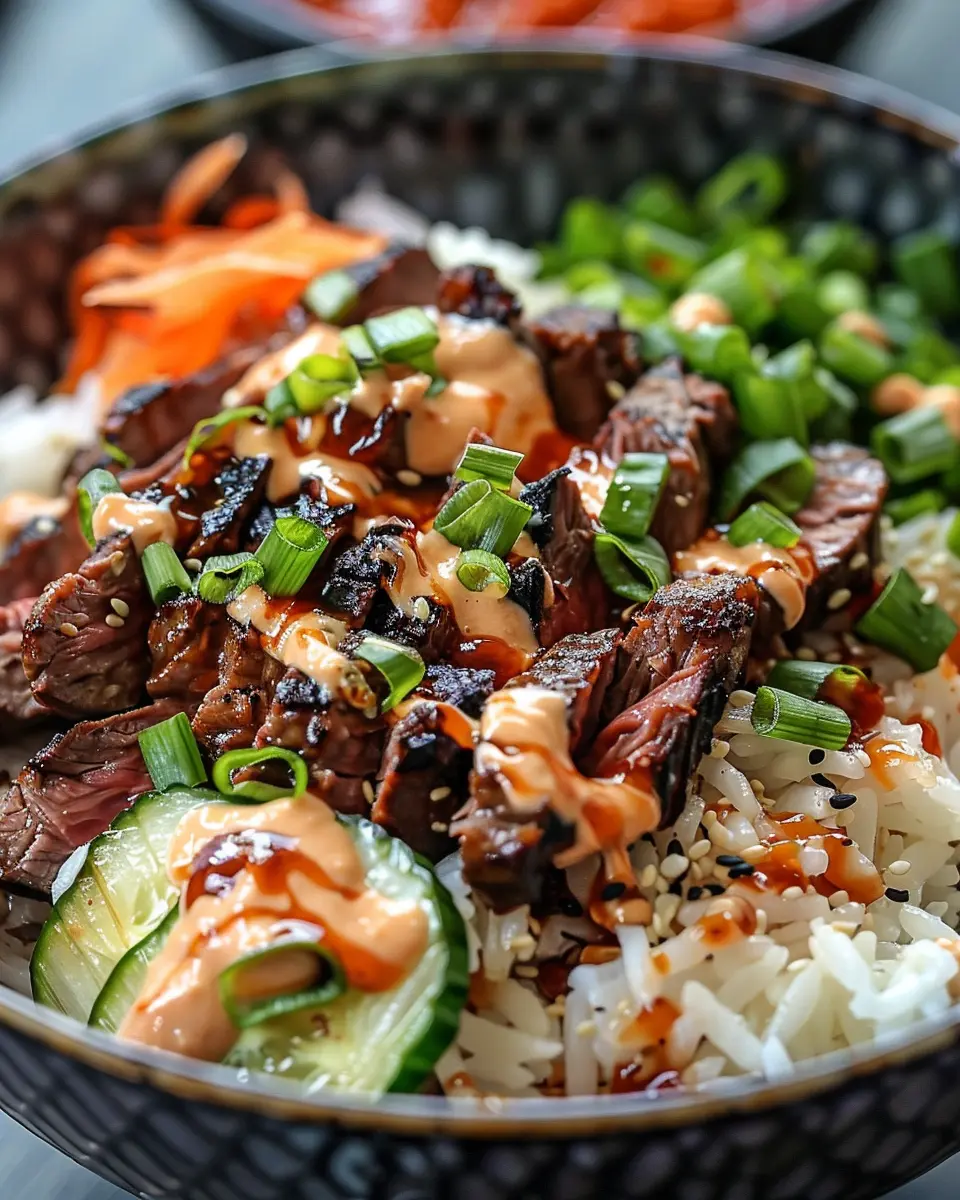
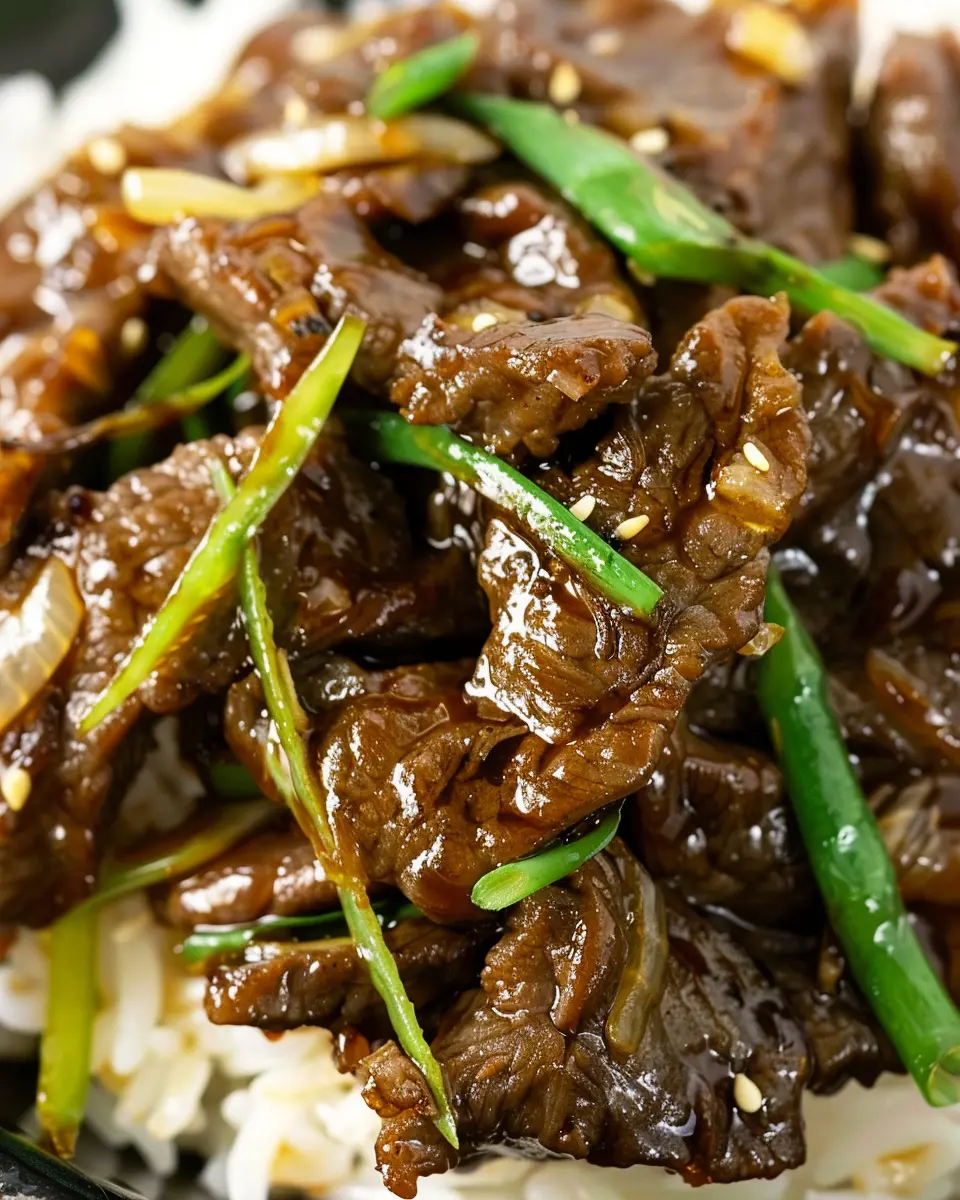
Mongolian beef is a delicious stir-fry dish that has stolen hearts (and taste buds) across the globe, particularly in takeout menus. But why is this dish so beloved? First, let’s delve into its rich flavors and texture that keep diners coming back for seconds. Traditionally, this dish features tender strips of beef, typically flank steak, that are marinated to perfection and cooked quickly over high heat, resulting in a juicy, melt-in-your-mouth experience.
Why Mongolian Beef is a Takeout Favorite
One of the main reasons mongolian beef shines on takeout menus is its umami-rich sauce, made from soy sauce, ginger, and brown sugar. This combination gives the dish a satisfying sweetness balanced by a hint of spice. It’s this addictively delicious sauce that pairs beautifully with steamed rice or crispy noodles, making it a comforting choice for a busy weeknight or a cozy weekend meal.
But it’s not just the flavors that earn mongolian beef its cult status. The dish is quick and easy to prepare, appealing to the time-strapped young professional. According to a recent survey, over 60% of millennials prefer meals that can be made in under 30 minutes. That’s a win-win for anyone juggling work and a social life!
Another factor driving its popularity is the customizable nature of this dish. You can easily adapt the recipe by adding your favorite vegetables such as bell peppers or broccoli. This ability to personalize your meal is a huge plus for those who enjoy putting their own twist on a classic. Plus, with the rise of plant-based diets, there are fantastic alternatives available that mimic the textures and flavors of beef.
Want to learn more about the culinary roots of mongolian beef? Check out articles on The Culture Trip for insights into Asian cuisine and cooking traditions.
Whether you’re indulging in takeout or crafting it in your own kitchen, mongolian beef is a flavor-packed option that never disappoints. It invites you to bring your own flair to the table while staying true to its delightful origins.
Ingredients for Mongolian Beef
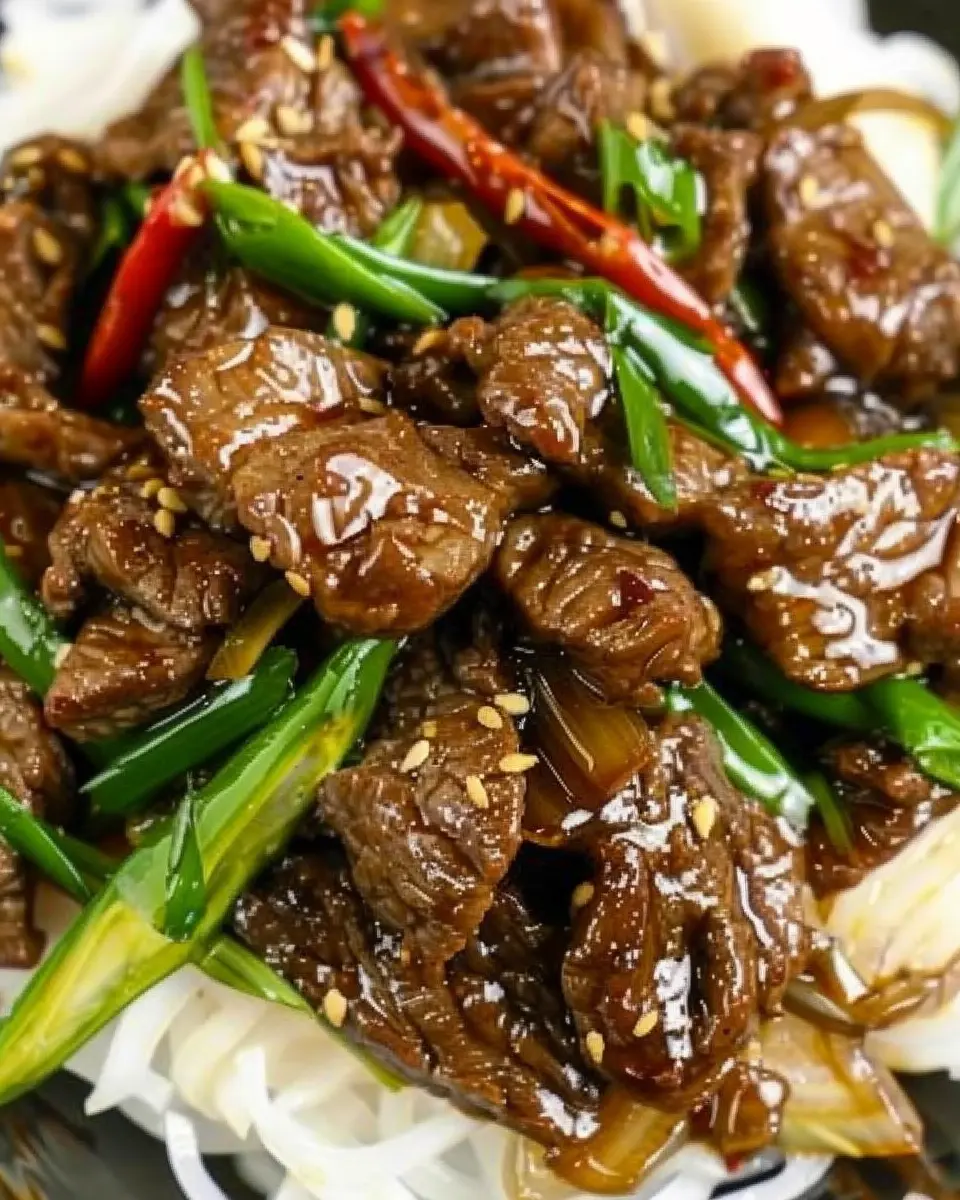
Creating a delicious dish of Mongolian beef starts with gathering the right ingredients. Here’s what you’ll need to whip up this savory favorite.
Essential Ingredients
- Beef: Select tender cuts like flank or sirloin for the best texture and flavor. Aim for about 1 pound.
- Turkey Bacon: This adds a smoky depth. Look for a good quality brand to enhance your dish.
- Chicken Ham: Use about ½ cup, diced into small pieces. It adds a unique twist to the traditional recipe.
- Soy Sauce: Opt for low-sodium if you’re watching your salt intake—about ¼ cup should work wonders.
- Brown Sugar: This helps balance the saltiness of the soy sauce. You’ll need around 2 tablespoons.
- Garlic: Freshly minced, about 3 cloves, brings a fantastic aroma and flavor.
- Ginger: A teaspoon of freshly grated ginger brightens up the whole dish.
- Green Onions: These will be your fresh garnish, adding color and crunch.
Don’t forget to check out some food blogs like Serious Eats for more cooking tips and to understand the perfect balance of flavors in Mongolian beef! Happy cooking!
Preparing Mongolian Beef
When it comes to creating a meal that’s as satisfying as it is delicious, Mongolian Beef stands out as a crowd-pleaser. Not only is it packed with bold flavors, but it’s also relatively easy to whip up after a long day. Here’s a step-by-step guide to help you nail this dish!
Marinate the Beef
To start, your beef is going to need some love in the marinade department. Marinating not only infuses flavor but also tenderizes the meat, ensuring it’s juicy when cooked.
You’ll need:
- 1 pound flank steak, thinly sliced against the grain
- 3 tablespoons soy sauce
- 1 tablespoon cornstarch
In a bowl, mix together the soy sauce and cornstarch until the cornstarch dissolves. Add the beef slices to the marinade, making sure each piece is evenly coated. Let it marinate for at least 30 minutes at room temperature. For an even deeper flavor, consider marinating overnight in the fridge – it’s definitely worth the wait!
Did you know that flank steak is a popular choice for many Asian dishes due to its rich flavor? You can learn more about this cut of meat at Beef It’s What’s For Dinner.
Optional Fried Vermicelli Nest
If you’re feeling adventurous, why not elevate your Mongolian Beef presentation with a crispy vermicelli nest? It’s totally optional but adds a delightful crunch that contrasts with the tender beef.
For this step, you’ll need:
- 1 cup dried vermicelli noodles
- Oil for frying
First, cook the vermicelli according to the package instructions, then drain and set aside. In a deep frying pan, heat oil until it sizzles. Carefully add a handful of noodles and fry until golden and crispy, about 30 seconds. Use a slotted spoon to transfer them to a paper towel-lined plate to absorb excess oil.
Searing the Beef
Now comes the best part: cooking the beef! Heat a large skillet or wok over high heat and add a tablespoon of oil. When it’s glistening, add the marinated beef in a single layer. Let it sear undisturbed for about 2-3 minutes until a nice crust forms, then stir-fry until just cooked through.
Remember the golden rule: don’t overcrowd the pan! If necessary, cook in batches to ensure that perfect sear. Once done, remove the beef and let it rest while you prepare the veggies.
Stir-Frying the Veggies
While your beef is resting, it’s time to toss in some vibrant vegetables that add color and nutrition to your dish.
Consider including:
- 1 cup green onions, chopped
- 1 bell pepper, sliced
- 2-3 cloves garlic, minced
- 1 teaspoon ginger, minced
In the same skillet, add a bit more oil if necessary. Stir-fry your garlic and ginger for about 30 seconds before adding the bell pepper and green onions. Cook until tender yet crisp, approximately 3-4 minutes.
Bringing it All Together
Now that both the beef and veggies are ready, it’s time to mix everything together into a glorious feast!
Pour the seared beef back into the skillet and add in any excess marinade you have. The mixture should bubble and the sauce should thicken just a bit—this is where the magic happens! Ensure everything is coated nicely, then serve over rice or your crispy vermicelli nest if you opted in for that extra flair.
Creating Mongolian Beef at home is not only straightforward but also a rewarding experience. Just imagine your friends or family gathered around the table, reveling in the rich flavors and delightful aromas wafting through the kitchen. Happy cooking!
Variations on Mongolian Beef
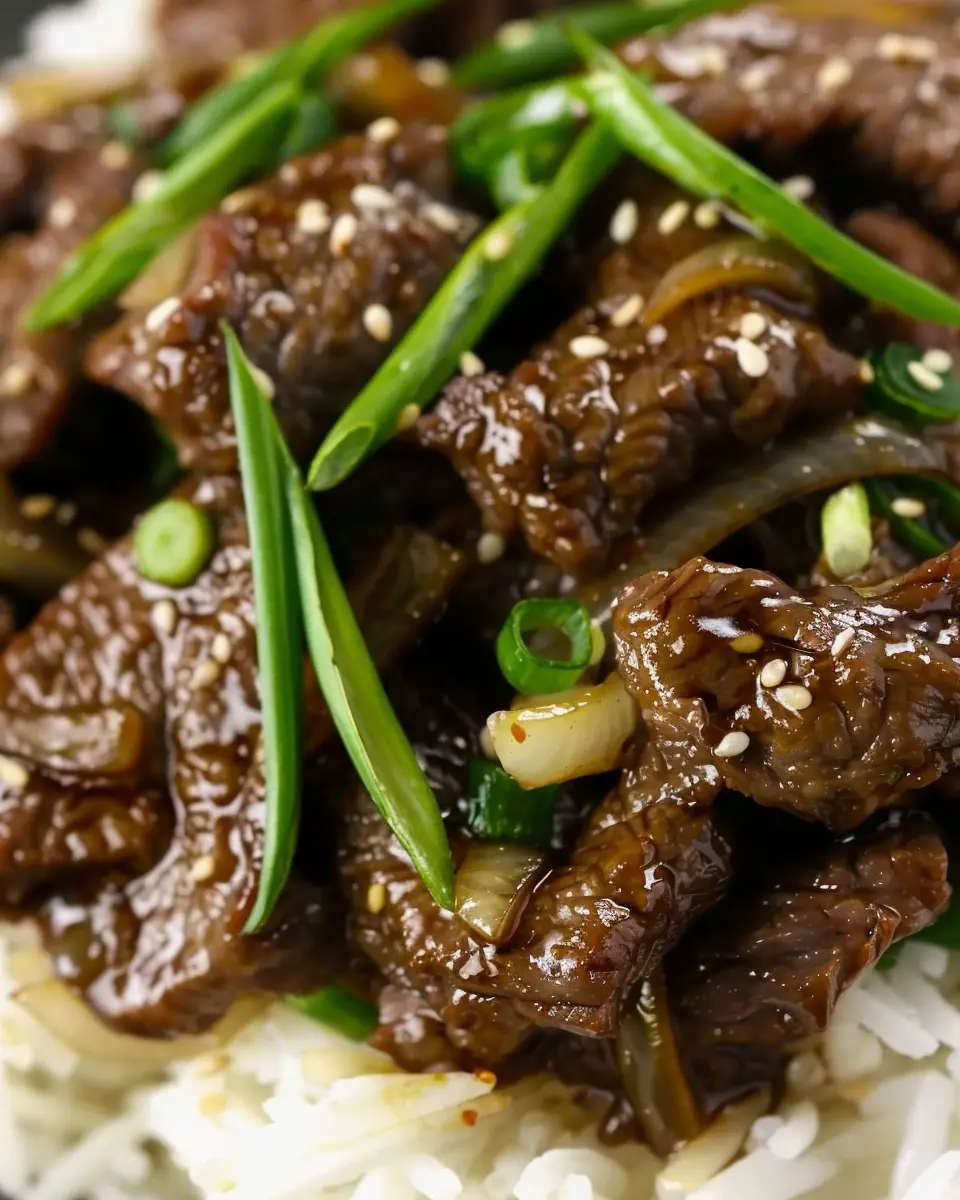
Mongolian beef is a dish that can be easily customized to cater to different tastes and dietary preferences. Let’s explore some delightful variations that you can try at home.
Embrace the Heat: Spicy Mongolian Beef
If you’re a fan of heat, why not amp up your Mongolian beef with some spicy flair? Simply add sliced chili peppers or a spoonful of chili paste to the marinade. You can even incorporate a splash of sambal oelek or sriracha for an extra kick. Pair it with steamed jasmine rice to balance the spice, and you’ve got a fiery feast that your taste buds will thank you for! To enhance the flavor, consider introducing garlic and ginger to the sauce, which pairs beautifully with the heat (Check out this spicy cooking guide).
Meatless Marvel: Vegetarian Mongolian Beef
Going meatless doesn’t mean compromising on flavor! For a vegetarian twist on Mongolian beef, substitute the beef with crispy tofu or seitan. These alternatives soak up all those delicious sauce flavors while providing a satisfying texture. Adjust the soy sauce to a low-sodium option for a healthier take and toss in some vibrant veggies, like bell peppers and broccoli, to add color and nutrients. Did you know that plant-based diets can boost your energy levels? Discover more about the benefits of vegetarian eating here.
These variations not only maintain the essence of Mongolian beef but also allow you to enjoy it in new, exciting ways. Whether you’re craving something spicy or looking for a delicious vegetarian meal, these adaptations offer something for everyone!
Cooking Tips and Notes for Mongolian Beef
When preparing Mongolian beef, attention to detail can take your dish from ordinary to extraordinary. Here are some helpful tips to elevate your cooking experience:
Choose the Right Cut of Beef
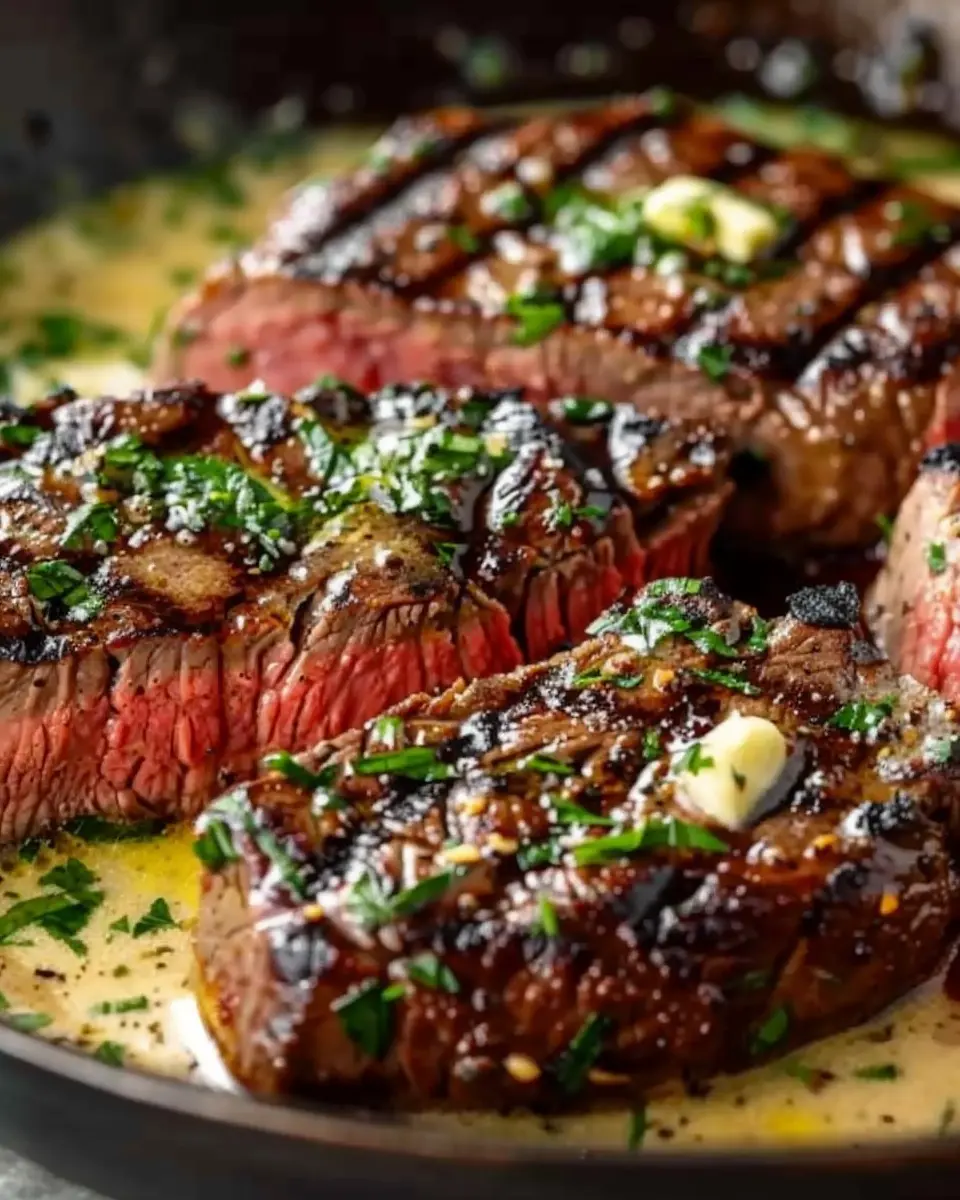
Using a tender cut like sirloin or flank steak will yield the best results. These cuts cook quickly and retain their juiciness. Be sure to slice your beef against the grain for tender pieces.
Marination Techniques
Marinating your beef for at least 30 minutes will not only enhance the flavor but also tenderize the meat. Use soy sauce or oyster sauce as part of your marinade—both add a savory depth you won’t want to miss.
Cooking Methods Matter
Stir-frying at high heat creates that signature Mongolian beef texture. Make sure your pan is preheated before you add the oil. This way, you’ll block moisture loss and achieve a perfect sear.
For more insights on cooking beef properly, check out resources from culinary experts like Serious Eats or America’s Test Kitchen.
Serving Suggestions
Pair your Mongolian beef with steamed rice or noodles to soak up the delicious sauce. Don’t forget to garnish with green onions for freshness!
With these tips, you’re all set to impress at your next dinner party! Happy cooking!
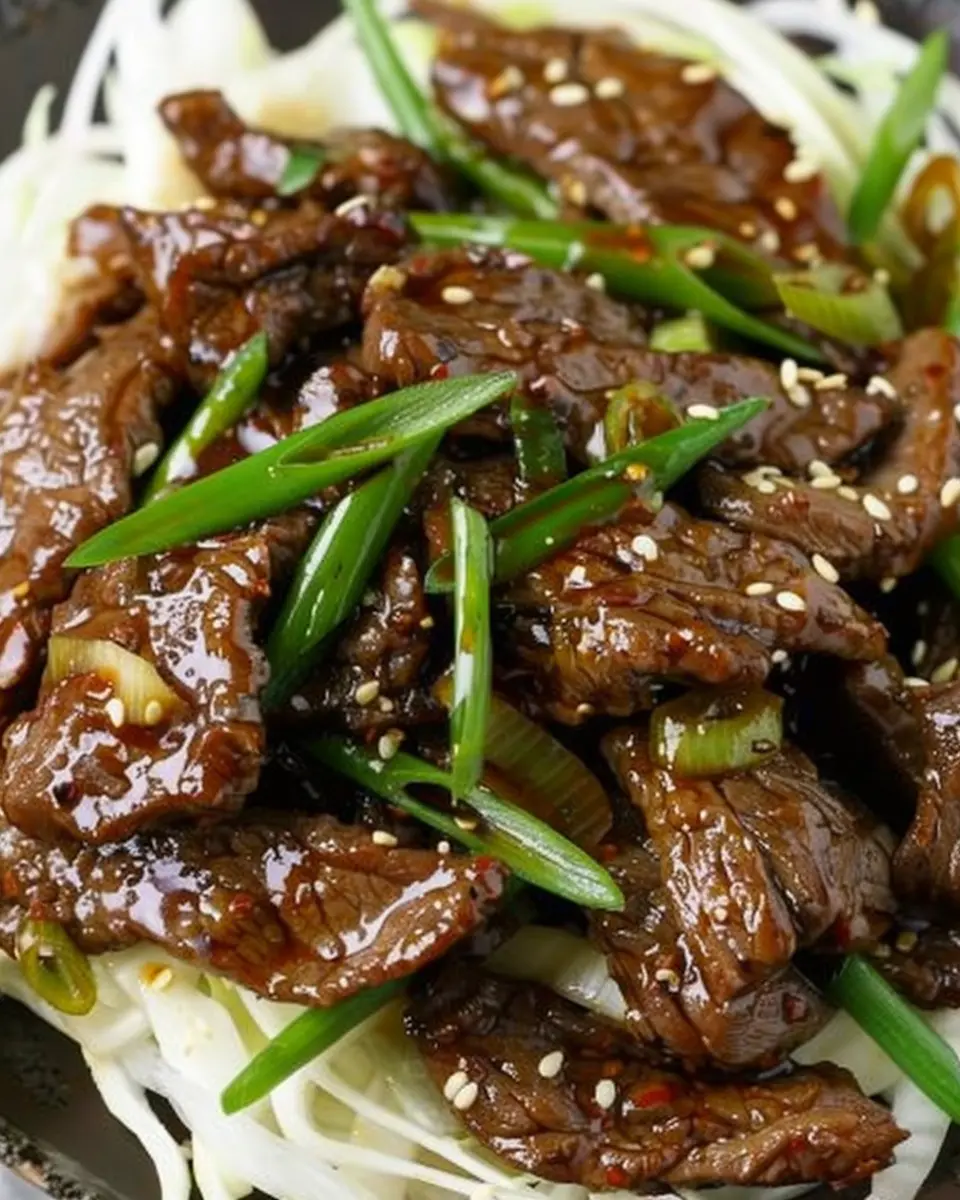
Serving Suggestions for Mongolian Beef
When you’re ready to enjoy your delicious Mongolian beef, think about how you can elevate the meal beyond just the main dish. Here are some creative serving suggestions to enhance your dining experience.
Pairing with Sides
-
Fragrant Rice: Serve your Mongolian beef over a bed of steamed jasmine or basmati rice. The fluffy rice soaks up the rich sauce beautifully.
-
Stir-Fried Veggies: A colorful medley of bell peppers, snap peas, and bok choy adds freshness and nutrition, balancing the heartiness of the beef.
-
Noodles: Consider tossing the beef with rice noodles or udon for a delicious twist that creates a satisfying noodle bowl.
Drinks to Complement
While you might traditionally think of pairing with wine, consider offering some refreshing herbal iced tea or homemade lemonade. Both are excellent options that cleanse the palate without overwhelming the flavors of your Mongolian beef.
Serves Great for Gatherings
Whether it’s a casual dinner with friends or a celebratory feast, this dish is sure to impress. You can even transfer it to a slow cooker for an easy party option, keeping the flavors rich while you mingle.
For more ideas on tasty sides and serving techniques, check out resources from EatingWell or Serious Eats. Happy dining!
Time Breakdown for Mongolian Beef
When diving into making Mongolian Beef, it’s helpful to understand the time commitment involved. Let me break it down for you:
Preparation Time
Getting everything prepped usually takes about 15 minutes. You’ll be chopping the beef, slicing scallions, and mixing your sauces. A little preparation goes a long way in ensuring everything cooks smoothly.
Cooking Time
Once you’re ready, cooking comes together in just 10-15 minutes. The quick stir-fry method makes this dish ideal for those busy weeknights, letting you enjoy homemade flavor without the fuss.
Total Time
In total, you’re looking at around 30 minutes from start to finish. Perfect, right? When you want tasty Mongolian Beef without the wait, this timeframe is a real winner.
For more tips on cooking times, check out this resource on meal prepping. Happy cooking!
Nutritional Facts for Mongolian Beef
When you’re diving into a delicious plate of Mongolian beef, it’s always good to know what you’re consuming. Here’s a quick breakdown of the nutritional facts that can help you make informed choices:
Calories
A serving of Mongolian beef typically contains about 300-400 calories, depending on the preparation methods and additional ingredients you might use. This makes it a satisfying option without going overboard on calories.
Protein
You’ll be pleased to know that this dish is rich in protein. A standard serving offers around 25 grams, making it an excellent choice for refueling after a workout or just keeping you full throughout the day.
Sodium
While it’s a flavorful dish, Mongolian beef can be a bit higher in sodium—about 700-900 mg per serving. If you’re watching your sodium intake, consider adjusting the soy sauce or using a low-sodium version for a healthier alternative.
For more insights into the nutritional aspects of your favorite dishes, you can check out resources like Nutrition.gov or MyFitnessPal. Enjoy your cooking!
FAQs about Mongolian Beef
Can I make Mongolian Beef without flank steak?
Absolutely! While flank steak is typically used for its tenderness and rich flavor, you can substitute it with other cuts like sirloin or even chicken for a leaner option. If you’re looking for a plant-based alternative, try using tofu or tempeh, marinated and stir-fried until crispy. This offers a delicious twist while keeping the essence of Mongolian beef alive.
How can I add more vegetables to the dish?
Adding veggies is a great way to boost the nutritional value of your Mongolian beef. Consider incorporating:
- Bell peppers for a slight sweetness
- Broccoli for a crunchy texture
- Carrots, julienned, for vibrant color
- Snow peas for a fresh flavor
You can sauté these veggies alongside the beef, ensuring they’re crisp yet tender. Not only does this enhance the meal’s visual appeal, but it also provides a variety of flavors and nutrients. Feel free to swap in your favorites!
What side dishes pair well with Mongolian Beef?
Wondering what to serve with your Mongolian beef? Here are some fantastic options:
- Steamed Jasmine Rice: The fluffy texture complements the savory sauce beautifully.
- Fried Rice: For an extra flavor boost, add some scrambled eggs and peas.
- Stir-Fried Noodles: They can soak up the sauce, making for a heartier meal.
- Asian Slaw: A refreshing side to cut through the richness of the beef.
These sides not only enhance the overall meal but also add a delightful contrast to the bold flavors of your Mongolian beef. For more side dish inspiration, check out this helpful resource from Serious Eats. Enjoy your cooking adventure!
Conclusion on Mongolian Beef
Mongolian beef is more than just a meal; it’s an experience that brings bold flavors and comforting warmth to your table. With tender beef, a savory sauce, and that hint of sweetness, it’s perfect for both busy weeknights and special occasions. What’s great about making this dish at home is the control you have over the ingredients, allowing for healthier alternatives like turkey bacon or chicken ham.
Whether served with rice or noodles, this recipe is a delightful reflection of Asian cuisine. Explore different variations and make this dish your own—where will your culinary journey take you next? For more tips on Asian cooking, check out Serious Eats or The Woks of Life.
PrintMongolian Beef Made Easy: A Flavorful Twist for Dinner Nights
Mongolian Beef is a simple yet delicious dish perfect for dinner nights. This recipe offers a flavorful twist that will leave your taste buds craving more.
- Prep Time: 15 minutes
- Cook Time: 15 minutes
- Total Time: 30 minutes
- Yield: 4 servings
- Category: Dinner
- Method: Stir Fry
- Cuisine: Mongolian
- Diet: Gluten-Free
Ingredients
- 1 pound flank steak, sliced
- 1/4 cup soy sauce
- 2 tablespoons cornstarch
- 2 tablespoons vegetable oil
- 3 green onions, chopped
- 2 cloves garlic, minced
- 1 tablespoon ginger, grated
- 1/2 cup brown sugar
- 1/2 cup beef broth
Instructions
- In a bowl, combine soy sauce and cornstarch. Add sliced flank steak and marinate for 15 minutes.
- In a skillet, heat vegetable oil over medium-high heat. Add the marinated beef and cook until browned.
- Add the garlic, ginger, and green onions to the skillet and stir-fry for 2 minutes.
- In a separate bowl, mix the brown sugar and beef broth until dissolved. Pour it into the skillet.
- Simmer for 5-7 minutes until the sauce thickens.
- Serve hot with rice.
Notes
- For extra spice, add red pepper flakes.
- Adjust soy sauce for saltiness based on preference.
Nutrition
- Serving Size: 1 plate
- Calories: 350
- Sugar: 15g
- Sodium: 800mg
- Fat: 20g
- Saturated Fat: 5g
- Unsaturated Fat: 15g
- Trans Fat: 0g
- Carbohydrates: 30g
- Fiber: 1g
- Protein: 25g
- Cholesterol: 70mg