Introduction to Mongolian Beef
What is Mongolian Beef?
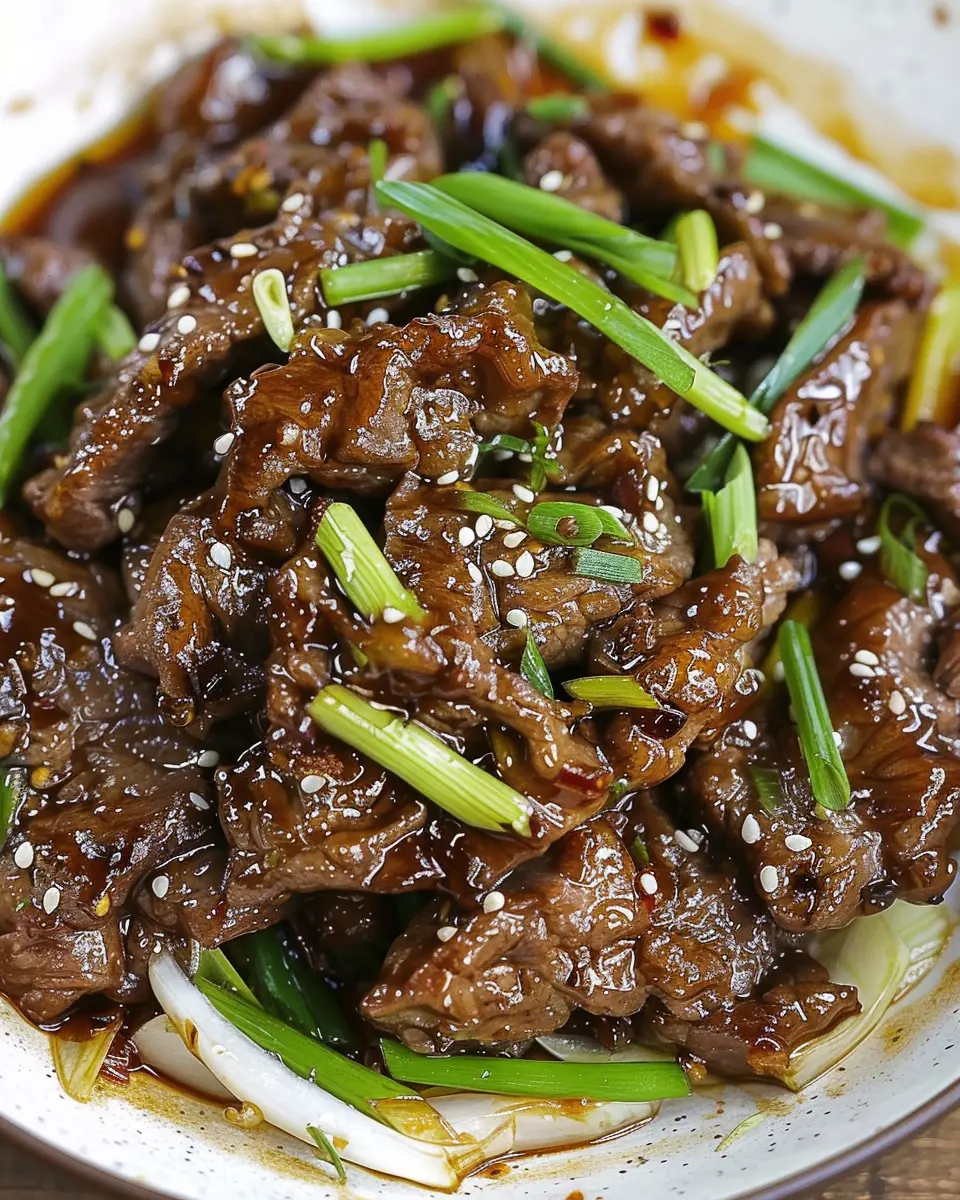
Mongolian Beef is a popular dish that, despite its name, has roots in American-Chinese cuisine rather than Mongolia itself. Traditionally made with thinly sliced beef, it’s stir-fried with green onions in a sweet and savory soy-based sauce. What’s particularly appealing about this dish is its rich sauce that complements the tender beef beautifully, creating a delightful combination of flavors. The specific use of soy sauce, garlic, and ginger gives it that distinctive taste profile that many of us crave when we think of Asian-inspired meals.
Curious about the origins? While there’s plenty of debate surrounding its history, you’ll find that many attribute the dish’s rise to popularity in Chinese-American restaurants during the late 20th century. If you’re interested in some culinary history, check out this comprehensive article.
Why is Homemade Mongolian Beef the Best Option?
Let’s be honest: nothing beats the feeling of preparing a meal from scratch in your own kitchen. When it comes to making Mongolian Beef at home, you have control over all the ingredients, ensuring you create the dish just how you like it.
-
Quality Ingredients: By choosing your beef and other fresh ingredients, you can avoid preservatives and artificial flavors often found in takeout.
-
Customization: Whether you prefer it spicier, sweeter, or loaded with more veggies, making it yourself allows for endless customization. You can swap out ingredients based on what you have or your dietary preferences.
-
Healthier Options: Homemade meals generally have fewer calories than restaurant fare. You can use leaner cuts of beef, opt for less sugar in the sauce, or incorporate healthier sides, making it an excellent choice for those looking to eat well without sacrificing flavor.
Plus, have you ever noticed how inviting the aroma of sizzling beef and garlic wafts through the home? It’s a great way to impress family or friends too!
Ultimately, preparing Mongolian Beef at home not only serves a delicious meal but also fosters a sense of accomplishment. So roll up your sleeves and let’s dive into crafting this flavorful dish!
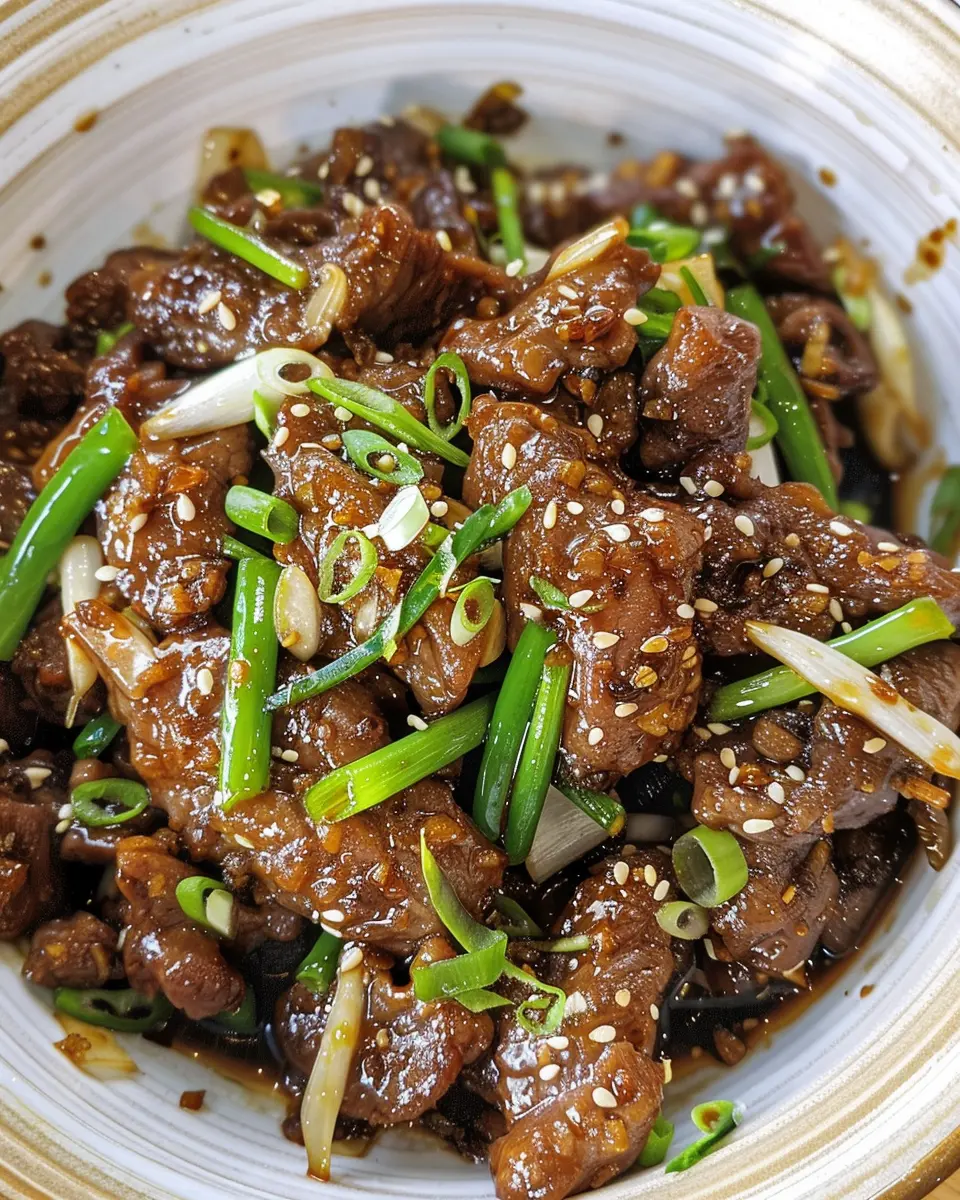
Ingredients for Mongolian Beef
When it comes to whipping up a deliciously savory plate of Mongolian beef, the right ingredients make all the difference. Let’s break down what you need to create this crowd-pleaser.
Essential ingredients for the beef marinade
To infuse your beef with flavor, gather the following:
- Beef: Look for tender cuts like flank steak or sirloin, sliced thinly against the grain.
- Soy sauce: This salty mainstay adds richness to the marinade.
- Cornstarch: Helps create a crispy texture when cooked.
Key ingredients for the sauce
For that iconic Mongolian beef sauce that’s both sweet and savory, don’t skip these must-haves:
- Soy sauce: A staple for umami flavor.
- Brown sugar: Balances the saltiness with a touch of sweetness.
- Garlic: Freshly minced garlic gives a fragrant kick.
- Ginger: Adds warmth and depth to the sauce.
- Sesame oil: A few drops will enhance the flavor profile.
Additional elements for serving
To elevate your dish and make it visually appealing, consider these options:
- Scallions: Chopped for garnish, they add a crisp, fresh touch.
- Rice or noodles: Serve on a bed of steamed rice or alongside stir-fried noodles for a complete meal.
Ready to bring a taste of Mongolia to your kitchen? For more tips, check out this guide on preparing beef for perfect results!
Preparing Mongolian Beef
If you’ve wanted to enjoy a delicious Mongolian Beef dish at home, you’re in for a treat! This recipe is not only fulfilling but also easy to prepare with a little guidance. Let’s walk through the steps that will turn your kitchen into a savory haven.
Marinate the beef
Marinating is a step often overlooked, but trust me, it’s essential for a flavor-packed Mongolian Beef. Start with good quality flank steak or sirloin—about 1 pound should do. Thinly slice the beef against the grain into bite-sized strips.
Now, let’s prepare the marinade:
- 3 tablespoons soy sauce
- 2 tablespoons cornstarch
- 1 tablespoon vegetable oil
- 1 teaspoon garlic powder
- 1 teaspoon ginger (freshly grated or ground)
Toss the beef strips in this marinade and let them sit for at least 30 minutes. Not only does this enhance the flavor, but it also helps tenderize the meat. For accurate flavor blending, some recommend this guide on marinating.
Prepare the fried vermicelli (optional)
While your beef is marinating, you may want to consider adding a little something extra to your dish—fried vermicelli! This is optional, but it adds a delightful crunch and texture to your Mongolian Beef experience.
To prepare:
- Boil a handful of vermicelli noodles according to package instructions.
- Drain them, then fry them in a little oil over medium heat until they are crispy—about 3-5 minutes.
- Set them aside on paper towels to absorb extra oil.
These noodles can serve as a base that pairs wonderfully with the succulent Mongolian Beef.
Cook the beef to perfection
Once marinated, it’s time to cook the beef. Heat a large pan or wok over medium-high heat and add a tablespoon of vegetable oil. When the oil is shimmering, add the marinated beef in a single layer—it’s best to do this in batches to avoid overcrowding the pan. Cook for approximately 3-4 minutes per side, or until the beef is nicely browned and cooked through.
An important tip: try not to stir too much! Let the beef sear for that beautiful crust. This process really helps lock in those delicious flavors. For a deeper dive on beef cooking methods, consider checking out the USDA’s resource on cooking times.
Stir-fry the vegetables
Now that your beef is sizzling, let’s add some color with fresh vegetables! You’ll need:
- 1 cup of sliced bell peppers
- 1 cup of broccoli florets
- 1 cup of carrots, julienned
- 4 green onions, chopped
Toss these vibrant veggies into the pan, and stir-fry for about 3-5 minutes until they are tender-crisp. The key here is to maintain a bit of crunch for the perfect balance in your Mongolian Beef.
Combine all ingredients and serve
Finally, combine the seared beef and stir-fried vegetables in the pan. Add another 2 tablespoons of soy sauce, adjusting taste as needed, and mix well.
If you decided to make the fried vermicelli, now is the time to serve! Place a layer of crispy noodles on your plate, spoon the Mongolian Beef mixture on top, and garnish with additional green onions and sesame seeds if you like.
And there you have it! Your homemade Mongolian Beef is ready to be devoured. Not only will you impress your guests or family, but you will also enjoy a delicious meal made with love. Happy cooking!
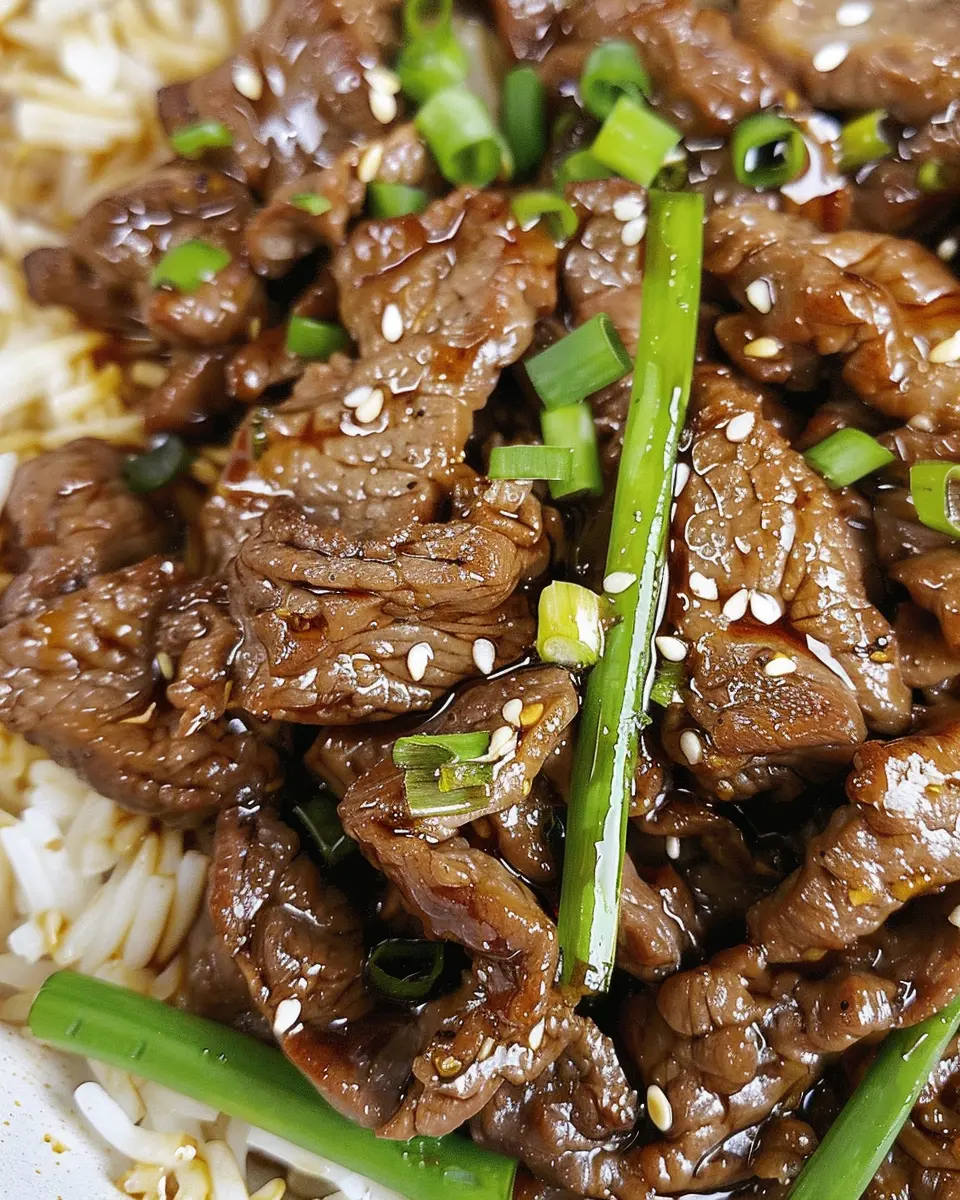
Variations on Mongolian Beef
When it comes to Mongolian Beef, there’s plenty of room to get creative. Not only can you tailor this dish to your taste preferences, but you can also make it a more rounded meal with some simple additions.
Adding Vegetables for a Nutritional Boost
One of the easiest ways to elevate your Mongolian Beef is by incorporating fresh vegetables. Think colorful bell peppers, crunchy broccoli, or snap peas. Not only do they add texture and flavor, but they also enhance the nutritional profile of your dish. Toss in:
- Sliced carrots for a sweet crunch
- Green onions for a fresh, oniony bite
- Zucchini or mushrooms for a gourmet touch
By adding these veggies, you create a more satisfying meal while also sneaking in some extra vitamins and minerals. Plus, who doesn’t love a colorful plate?
For some inspiration on which vegetables to choose, check out these great options.
Alternative Proteins for a Twist
If you’re looking to switch things up, consider swapping out the beef for alternate proteins. Chicken, turkey, and even tofu can work beautifully in this dish. Imagine how delightful Mongolian Beef would be with tender slices of chicken breast, marinated and stir-fried to perfection!
Another unique option is to use turkey bacon as a crispy garnish. The smoky flavor can provide a new dimension to your Mongolian Beef. Feeling adventurous? Why not try shrimp or even plant-based meat substitutes? They can all take this dish from ordinary to extraordinary!
With these variations, you can reinvent the classic while still capturing that signature flavor you love. Happy cooking!
Cooking notes for Mongolian Beef
Tips for slicing beef effectively
When preparing your Mongolian beef, slicing the meat properly makes a big difference in tenderness and flavor absorption. Always aim to slice against the grain. This shortens the muscle fibers, resulting in a more tender bite. A sharp knife is essential; if your knife is dull, you’ll struggle to get those clean cuts.
Adjusting the sweetness level
Not everyone has the same sweet tooth! If you find the classic soy sauce blend too sugary, consider reducing the sugar or substituting it with a natural sweetener like honey or agave. Taste as you go to achieve that perfect balance for your palate.
Making it extra saucy
If you’re a sauce lover (who isn’t?), feel free to double the sauce ingredients for your Mongolian beef. Just remember to adjust the cooking time slightly so the beef can absorb all that delicious flavor while still thickening up nicely. Adding a splash of low-sodium broth can also enhance the sauce without overpowering the dish.
For more cooking tips, check out resources like Serious Eats or The Kitchn for a wealth of culinary advice!
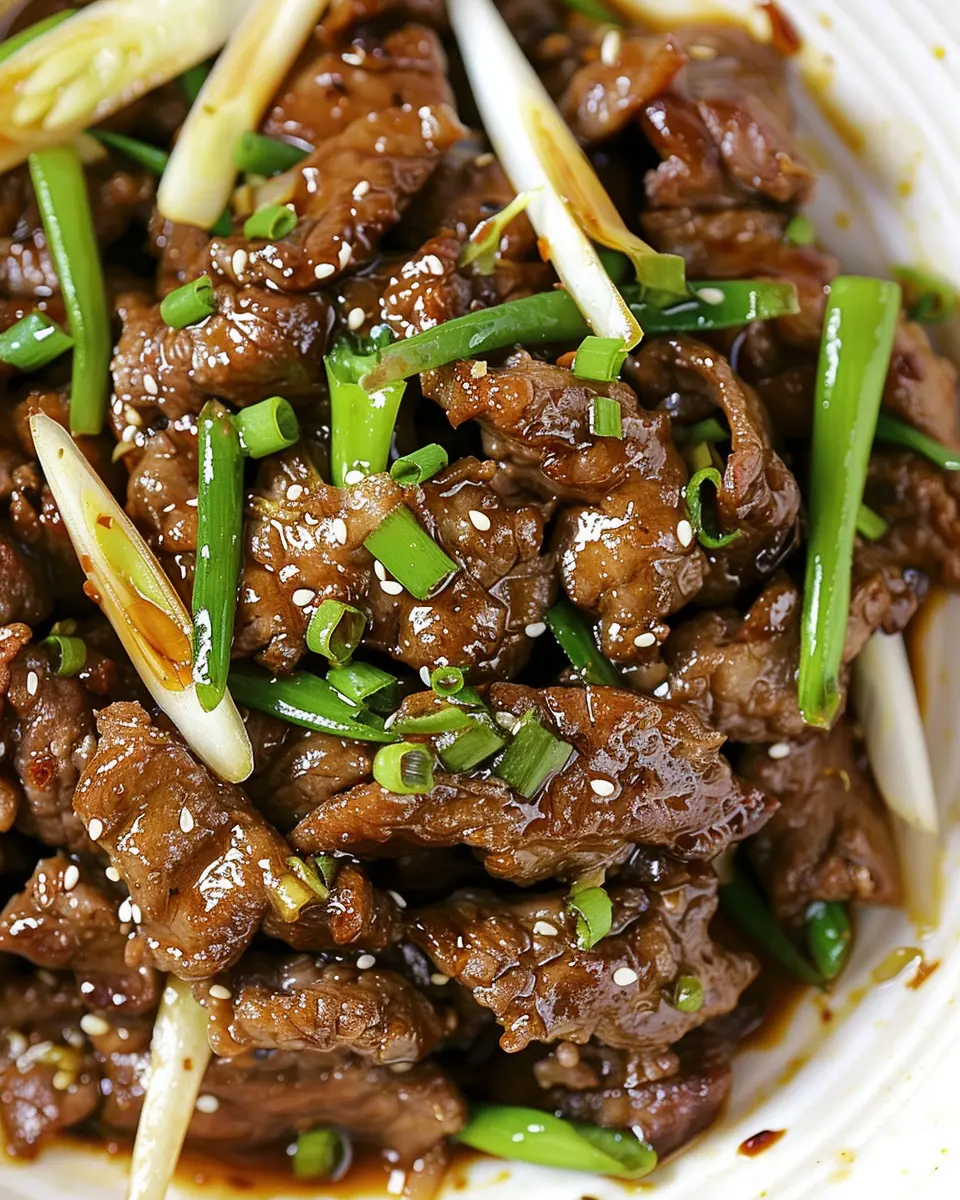
Serving suggestions for Mongolian Beef
When you’re ready to savor your delicious Mongolian beef, consider how you can elevate this dish by pairing it with enticing sides.
Pairing with sides for a complete meal
Round out your meal with sides that complement the savory notes of Mongolian beef. Here are a few suggestions:
- Steamed Jasmine Rice: Its fluffy texture and neutral flavor soak up the sauce beautifully.
- Vegetable Stir-Fry: Bright, colorful veggies add freshness and nutritional balance to your plate.
- Asian Slaw: A crunchy slaw offers a nice contrast to the tender beef.
Experimenting with sauces can also enhance your dining experience. Try adding a dash of soy sauce or a pinch of sesame seeds for extra flavor.
Creative presentation ideas
Make your Mongolian beef visually appealing. Serve it in a wok or a rustic bowl to echo Asian-inspired dining. Garnish with freshly chopped green onions or sesame seeds to add a pop of color. Don’t forget to add a side of vibrant pickled vegetables for an inviting contrast!
For more serving ideas, check out this beautiful presentation guide for inspiration. You’ll be amazed at how a simple change in presentation can transform your meal into a feast!
Time details for Mongolian Beef
When you’re gearing up to make Mongolian Beef, knowing the timing can be quite helpful to your dinner plans. Here’s a quick breakdown:
Preparation time
Getting everything ready is a breeze! Expect to spend about 15 minutes chopping vegetables, slicing the beef, and gathering your Mongolian Beef ingredients.
Cooking time
Once you start cooking, it won’t take long at all—around 20 minutes will have you sautéing and simmering your flavorful dish.
Total time
In total, from start to finish, you’ll be looking at roughly 35 minutes. It’s a quick, enjoyable recipe that fits nicely into a busy weeknight routine, allowing you to savor homemade goodness without the stress.
If you want tips on ingredient selection, consider checking out articles on beef quality from the USDA or cooking methods from Serious Eats. Happy cooking!
Nutritional information for Mongolian Beef
When indulging in Mongolian beef, it’s essential to consider its nutritional profile to maintain a balanced diet. Here’s a quick rundown of the key nutrients per serving:
Calories
A typical serving of Mongolian beef contains approximately 350–450 calories, depending on your preparation method and ingredients. It’s a hearty dish that can fit within a healthy meal plan when enjoyed in moderation.
Protein
One of the standout features of Mongolian beef is its protein content. You can expect around 25–30 grams of protein per serving, making it an excellent choice for muscle repair and satiety after a workout. Lean cuts of beef are beneficial, providing both nutrients and flavor.
Sodium
On the flip side, pay attention to sodium levels, which can range from 700–1000 mg per serving, largely influenced by soy sauce and seasoning. To manage your sodium intake, opt for low-sodium soy sauce or reduce the amount used during cooking.
Being aware of these nutritional facts can help you enjoy Mongolian beef without the guilt, making it a delicious yet manageable part of your culinary repertoire. For more on healthy eating, check out the American Heart Association or ChooseMyPlate.gov for tips on maintaining a balanced diet.
FAQs about Mongolian Beef
How can I make my Mongolian Beef less sweet?
If you’ve found that your Mongolian Beef recipe leans more toward the sweet side, there are a few tweaks you can try. Reducing the amount of sugar or brown sugar is the simplest option. Consider substituting with low-calorie sweeteners, which can keep the flavor without the extra sweetness. Adding a splash of soy sauce or a hint of vinegar can balance out the sweetness, providing that savory component that makes the dish shine. If you’re a fan of heat, a touch of red pepper flakes might just do the trick!
Can I make Mongolian Beef ahead of time?
Absolutely! Preparing your Mongolian Beef ahead of time can save you valuable minutes on busy weekdays. Cook the dish according to your recipe, then allow it to cool before refrigerating. It can be stored for up to three days. Just be sure to keep the sides separate to maintain freshness. When you’re ready to eat, simply reheat it on the stovetop or in the microwave. For a more in-depth look at meal prep, sites like EatingWell offer fantastic meal-prepping tips and ideas.
What side dishes pair well with Mongolian Beef?
The beauty of Mongolian Beef is that it complements various sides. Here are some suggestions to create a delightful meal:
- Steamed Jasmine Rice: The classic pairing, serving as a perfect base.
- Stir-Fried Vegetables: Broccoli, bell peppers, and snap peas add a nutritious crunch.
- Crispy Spring Rolls: Add a bit of texture and flavor contrast.
- Asian Noodle Salad: A chilled noodle salad can be refreshing alongside the rich flavors of beef.
With these FAQs, you should feel equipped to tweak, prepare, and enjoy your Mongolian Beef to perfection!
Conclusion on Mongolian Beef
In summary, Mongolian beef is not just a dish; it’s a delightful experience that warms the heart and satisfies the palate. The balance of sweet and savory flavors, coupled with tender beef, creates a meal that’s both comforting and impressive. When you make this at home, you have the flexibility to adjust the ingredients to suit your taste and dietary preferences—say goodbye to takeout!
For a weeknight meal or a cozy gathering, this recipe fits the bill. Pair it with steamed rice or stir-fried veggies for a complete dinner. Don’t forget to explore other Asian-inspired dishes to round out your culinary adventures. Happy cooking!
For more tips, check out this resource on how to stir-fry from Serious Eats.
PrintMongolian Beef: The Easy and Delicious Recipe You’ll Love
Discover how to make Mongolian Beef with this easy recipe that’s packed with flavor.
- Prep Time: 15 minutes
- Cook Time: 10 minutes
- Total Time: 25 minutes
- Yield: 4 servings
- Category: Main Course
- Method: Stir Fry
- Cuisine: Mongolian
- Diet: Gluten-Free
Ingredients
- 1 pound flank steak
- 1/4 cup soy sauce
- 2 tablespoons cornstarch
- 2 tablespoons vegetable oil
- 1 cup green onions
- 1/4 cup brown sugar
Instructions
- Slice the flank steak against the grain into thin strips.
- Marinate the steak in soy sauce and cornstarch for 15 minutes.
- Heat vegetable oil in a pan over medium-high heat.
- Add the marinated beef and cook until browned.
- Stir in brown sugar and green onions, cooking until well combined.
- Serve hot over rice or noodles.
Notes
- For added flavor, consider incorporating minced garlic or ginger.
- Adjust the level of sweet and salty by modifying the sugar and soy sauce amounts.
Nutrition
- Serving Size: 1 plate
- Calories: 400
- Sugar: 10g
- Sodium: 800mg
- Fat: 20g
- Saturated Fat: 5g
- Unsaturated Fat: 15g
- Trans Fat: 0g
- Carbohydrates: 30g
- Fiber: 2g
- Protein: 30g
- Cholesterol: 70mg