Introduction to Mongolian Beef
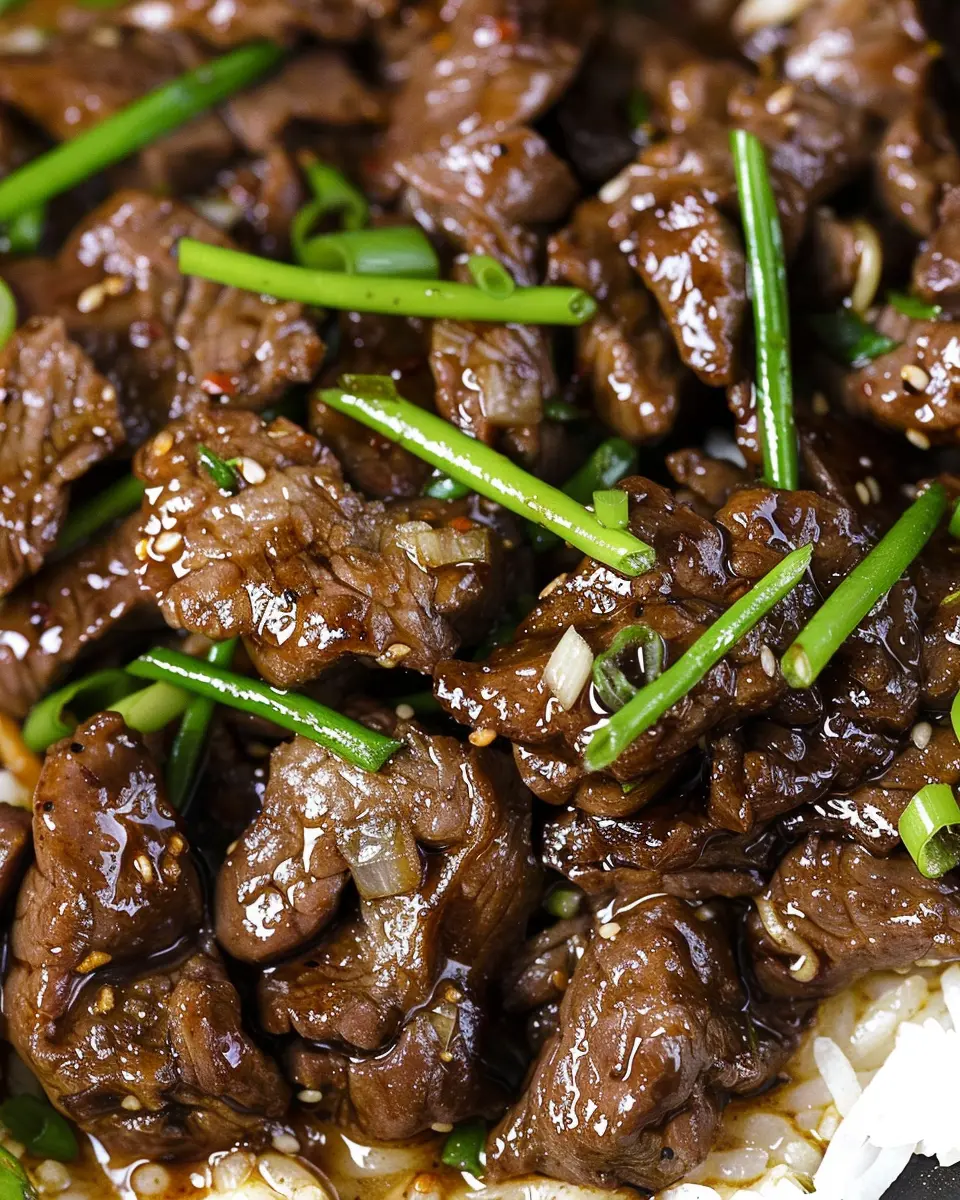
Mongolian beef is a dish that beautifully balances tenderness and flavor, making it a fantastic choice for homemade meals. Picture this: succulent slices of beef stir-fried until they’re perfectly caramelized, tossed in a mouthwatering sauce made from soy sauce, ginger, and garlic. But what truly sets this dish apart is its rich history. Originating from Mongolian cuisine, it has evolved to become a beloved staple in many Asian-inspired restaurants worldwide. If you’re looking to impress someone special or perhaps even yourself, Mongolian beef is sure to do the trick!
Why Mongolian Beef is the Perfect Homemade Dish
One of the best things about Mongolian beef is how simple it is to prepare at home. You don’t need to be an expert chef to whip up this culinary delight. The ingredients are easily accessible; most can be found in your local supermarket or online stores! You just need a few basics: tender beef, soy sauce, brown sugar, and some aromatics.
Moreover, this dish is incredibly versatile. You can customize it according to your dietary preferences or pantry items. Want to add a bit of color? Toss in some sliced bell peppers or broccoli for an extra crunch. Craving some heat? Include red pepper flakes for that fiery kick.
But it gets better. Mongolian beef can be made within 30 minutes, making it a terrific option for busy young professionals. Imagine coming home after a long day, and within half an hour, you’re treating yourself to a restaurant-quality meal. It’s not just quick; it’s also wonderfully delicious. Studies suggest that home-cooked meals can be healthier compared to takeouts loaded with hidden additives, leading to better health outcomes in the long run.
So if you’re seeking a speedy, scrumptious, and soothing dish to experiment with during your weeknight dinners, look no further than Mongolian beef. With its irresistible flavor and simple preparation, it’s the perfect antidote to your culinary boredom!
Cooking at home doesn’t just save you money; it allows you to connect with what you eat. So roll up your sleeves, gather your ingredients, and let’s get ready to make some magic in the kitchen!
For a deep dive into the history of Mongolian cuisine, check out resources from National Geographic and enrich your culinary journey!
Ingredients for Mongolian Beef
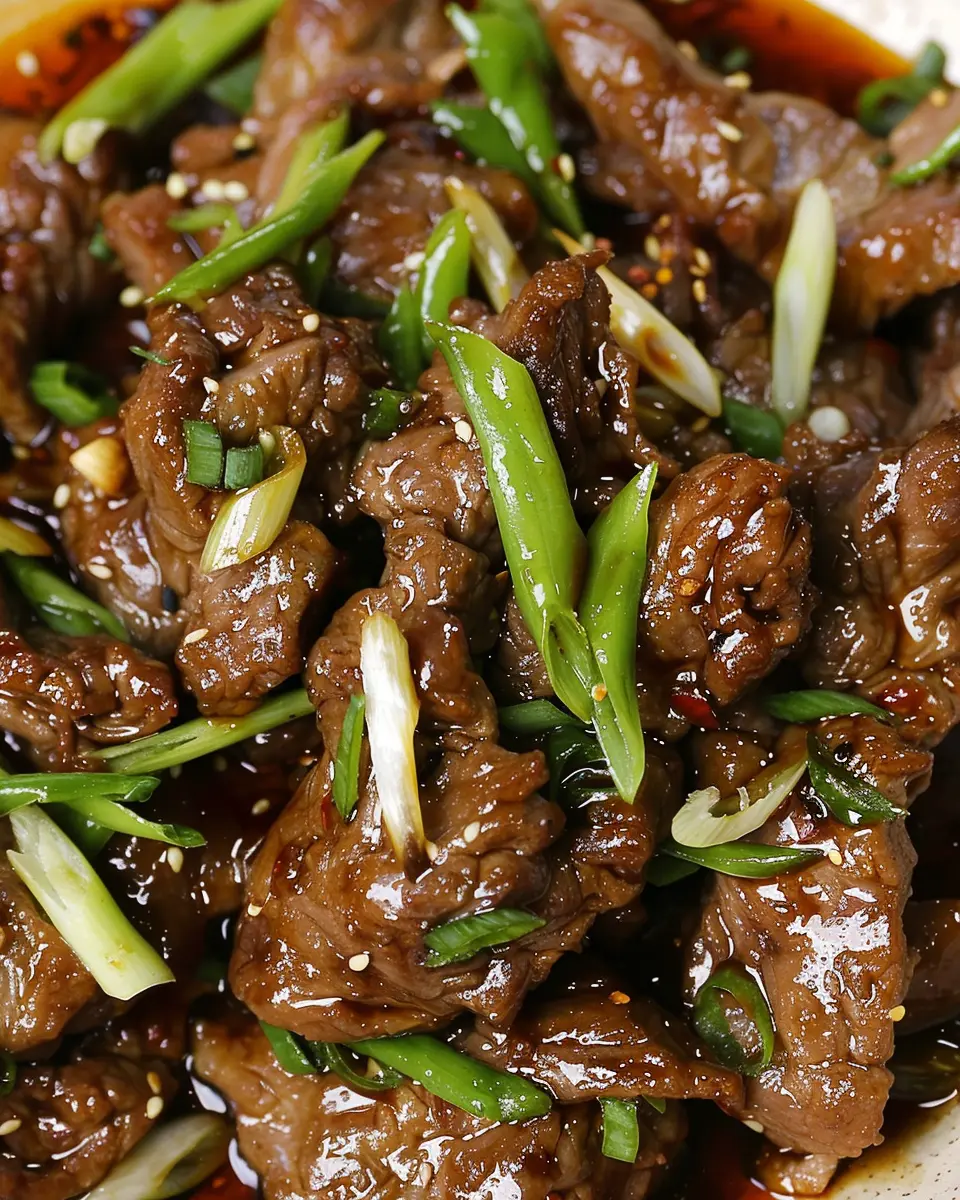
Creating a delicious plate of Mongolian beef is all about the right ingredients. Here’s what you’ll need to elevate your stir-fry game:
- Beef: Use flank steak or sirloin, sliced thin against the grain for that tender texture.
- Turkey Bacon: This healthier alternative adds a lovely smokiness to balance the sweet and savory flavors.
- Vegetables: Green onions and bell peppers not only bring a pop of color but also a refreshing crunch.
- Ginger and Garlic: Freshly minced for the aromatic depth that authentic Asian cuisine requires.
- Soy Sauce: Opt for a low-sodium variety to control the saltiness without sacrificing taste.
- Brown Sugar: This sweetener helps caramelize the beef and adds that signature glaze.
- Cornstarch: Essential for creating a crisp coating on the beef and thickening the sauce.
- Sesame Oil: A few drops go a long way in infusing flavors!
These ingredients come together to create a beautifully balanced dish. Want to explore more about the flavor profiles of Mongolian beef? Check out this guide on Asian culinary techniques. Happy cooking!
Preparing Mongolian Beef
If you’re craving some mouth-watering, tender Mongolian Beef, you’re in for a treat! This dish is beloved for its rich flavor and simple preparation. Ready to get cooking? Let’s dive into the steps that will guide you toward your own delicious creation!
Marinate the beef
To really elevate the flavor of your Mongolian Beef, marinating the beef is essential. Start by slicing your choice of beef (flank steak works beautifully) against the grain into thin strips. Aim for about ¼ inch thick to ensure they’re tender when cooked. Next, in a mixing bowl, combine the sliced beef with a marinade made of the following:
- 1 tablespoon soy sauce
- 1 tablespoon cornstarch
- 1 teaspoon vegetable oil
Mix everything well, ensuring the beef is fully coated. Allow it to marinate for at least 20 minutes, or if time permits, pop it in the fridge for up to an hour. This not only makes the beef more tender but also infuses it with flavor.
Prepare the sauce ingredients
While the beef is marinating, let’s work on the star of the show: the sauce. Good news, it’s super straightforward! In a separate bowl, mix together:
- ½ cup soy sauce
- ¼ cup brown sugar
- 1 tablespoon ginger, minced
- 2 tablespoons garlic, minced
- ½ cup water
This combination creates a delightful balance of salty, sweet, and savory flavors. Pro tip: For an added kick, consider mixing in a teaspoon of red pepper flakes. Feel free to adjust the sugar and soy sauce based on your taste preferences!
Cook the beef to perfection
Now that we have the beef marinated and the sauce ready, it’s time to cook. Heat about 2 tablespoons of vegetable oil in a large skillet or wok over medium-high heat. The goal here is to achieve a high temperature that allows the beef to sear beautifully.
Once the oil is shimmering, add the marinated beef in a single layer, avoiding overcrowding. Let it cook undisturbed for a minute or so until it gets a nice brown crust. Turn the beef to sear all sides for about 3-4 minutes. The ideal texture is tender and caramelized, which draws out the robust flavors you’ve marinated into the strips.
Sauté the aromatics
With the beef cooked, it’s time to add those aromatic ingredients that will take your Mongolian Beef to the next level. Reduce the heat to medium and add the minced garlic and ginger from your sauce mix directly into the skillet. Sauté them for about 30 seconds, just until they become fragrant. This step is crucial as it develops the flavors that will stick to the beef.
Combine everything for the final dish
Now, pour the prepared sauce over the beef and let it simmer for about 3-5 minutes, stirring often. You’ll know it’s ready when the sauce thickens slightly and coats the beef evenly. The deep, savory aroma wafting through your kitchen will have everyone asking for seconds!
At this point, you may want to serve your Mongolian Beef over fluffy white rice or with stir-fried vegetables for a complete meal. Don’t forget to garnish with sliced green onions for a fresh crunch!
For more tips and tricks on perfecting your Asian-inspired dishes, check out Serious Eats which offers a wealth of culinary knowledge.
With these steps, you’re not just making Mongolian Beef; you’re crafting an unforgettable dining experience. Enjoy your cooking adventure, and savor every bite!
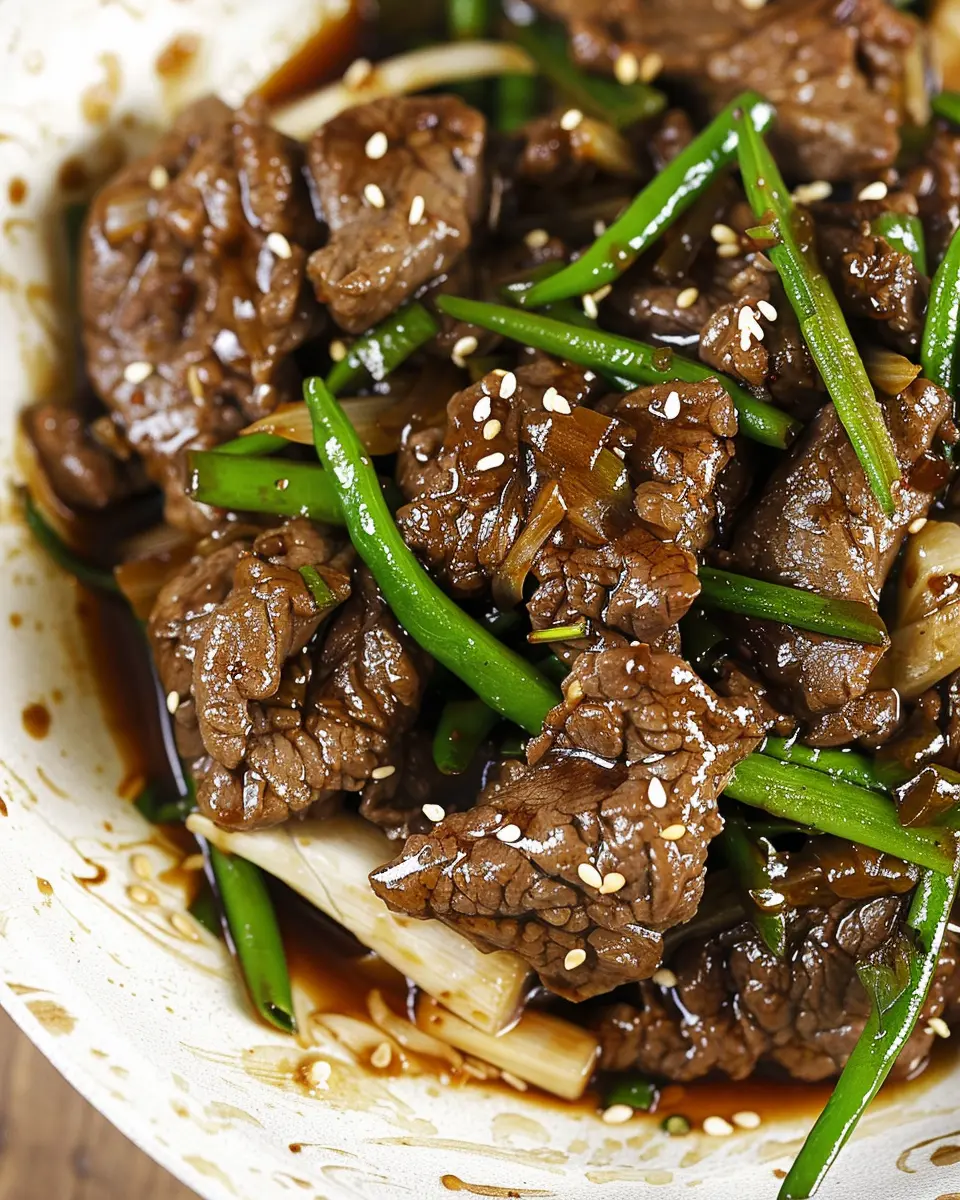
Variations on Mongolian Beef
Mongolian beef is a fantastic dish in its traditional form, but don’t be afraid to experiment! Here are a couple of delightful variations that will spice up your meal planning.
Mongolian Beef with Vegetables
One of the best ways to elevate your Mongolian beef dish is by incorporating fresh vegetables. Adding bell peppers, broccoli, and snap peas not only enhances the flavors but also boosts the nutritional value.
Consider these steps:
- Sauté veggies: Add your choice of sliced vegetables in the pan before introducing the beef. This gives them a chance to soften while absorbing the savory sauce.
- Adjust sauce: With the added moisture from the vegetables, you may want to thicken the sauce with a bit of cornstarch mixed with water.
This hearty variant offers a complete meal, packed with vitamins and minerals. Plus, it adds a beautiful pop of color to your plate!
Spicy Mongolian Beef
If you love a kick, why not turn up the heat? Transform your Mongolian beef into a spicy sensation by incorporating chili garlic sauce or Sriracha.
Follow these tips to make it work:
- Marinate your beef: Toss thinly sliced beef with the chili sauce in your marinade to infuse those fiery flavors.
- Balance the heat: Add some honey or brown sugar to your sauce to achieve that sweet-spicy balance that makes each bite a delight.
This variation is perfect for those kick-loving foodies out there! Want more inspiration? Check out Cooking Light for additional ideas and flavor pairings.
With these variations, your Mongolian beef could quickly become a weekly favorite! Enjoy the creativity and flavor that comes with these delightful twists.
Cooking Tips for Mongolian Beef
Tips for Tenderizing the Beef
To achieve that melt-in-your-mouth experience with your Mongolian beef, start by choosing the right cut—flank steak or sirloin work wonders. Slice against the grain for maximum tenderness. For an extra boost, marinate your beef in a mixture of cornstarch and soy sauce for about 30 minutes. This not only tenderizes the meat but also gives it a nice gloss when cooked.
Techniques for Achieving the Perfect Sauce
The sauce is the heart of any Mongolian beef dish! Begin by using high-quality soy sauce and a touch of brown sugar for a rich sweetness. Combine these with minced garlic, ginger, and a splash of beef broth for depth of flavor. Remember, simmering the sauce until slightly thickened allows it to cling beautifully to the beef. Don’t be afraid to adjust the sweetness and saltiness to suit your palate!
For more insights on perfecting your sauces, check out Serious Eats. Happy cooking!
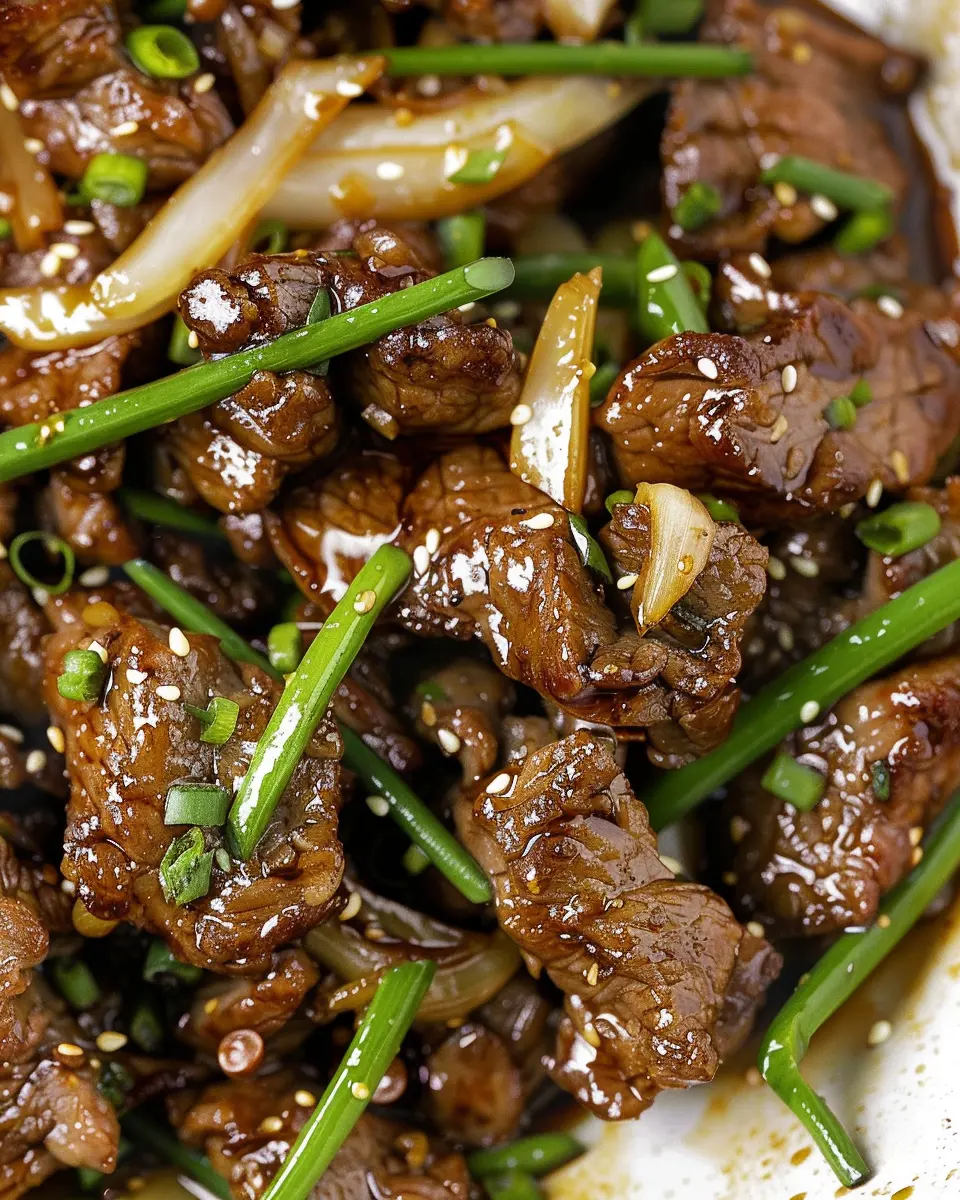
Serving Suggestions for Mongolian Beef
Ideal Side Dishes to Complement Your Meal
When it comes to serving Mongolian beef, the right side dishes can elevate your meal from good to unforgettable. Consider pairing it with:
- Steamed Jasmine Rice: This fluffy rice absorbs the savory flavors beautifully.
- Garlic Bok Choy: Simply sautéed, it adds a fresh crunch that balances the richness of the beef.
- Asian Cucumber Salad: The cool and tangy notes of a cucumber salad brighten the plate and cleanse the palate.
- Sesame Noodles: They provide a delightful textural contrast and flavor harmony with the beef.
Presentation Tips for a Restaurant-Style Look
Creating a visually stunning dish can be just as satisfying as the flavors. Here are some tips to make your Mongolian beef shine on the dinner table:
- Choose a Wide-Bowled Platter: Present the beef centrally, allowing for side dishes to surround it.
- Garnish Generously: Fresh scallions or sesame seeds placed artfully on top can add a pop of color and invite interest.
- Use Bright Contrasting Dishes: A sleek black plate can make the rich colors of your dish stand out captivatingly.
By crafting your meal thoughtfully, you’ll not only satisfy your taste buds but also impress anyone at your table! For more inspiration, check out resources like Serious Eats which offer great tips on Asian cuisine.
Time Breakdown for Mongolian Beef
When it comes to making Mongolian beef, understanding the time you’ll need is crucial for a smooth cooking experience.
Preparation Time
Gather your ingredients and chop your vegetables in about 15 minutes. It’s a great time to enjoy a little music or a podcast while you prep!
Cooking Time
Cooking your Mongolian beef takes around 20 minutes. This includes searing the beef and blending the delicious flavors of the sauce.
Total Time
In total, you’re looking at roughly 35 minutes from start to finish. Perfect for a weeknight dinner when you want something quick yet satisfying!
For more tips on timing, check out resources like Serious Eats or Bon Appétit. These sites offer great insights into cooking efficiency!
Nutritional Facts for Mongolian Beef
When it comes to Mongolian beef, it’s essential to understand what makes this dish not only delicious but also nutritious. Here’s a quick breakdown of what you’re getting in every serving.
Calories
A serving of Mongolian beef typically contains around 300-400 calories. This makes it a satisfying choice without tipping the scale too much, especially when paired with steamed vegetables or whole grains.
Protein
Packed with protein, Mongolian beef provides approximately 25-30 grams per serving. This makes it an excellent option for anyone looking to boost their protein intake, whether for muscle recovery or simply to stay fuller for longer.
Sodium
While Mongolian beef is rich in flavors, it can also be higher in sodium due to the soy sauce. A typical serving may contain about 800-900 milligrams of sodium. If you’re watching your sodium intake, consider using low-sodium soy sauce or reducing the amount you add to the dish.
For more insights about balanced meals, check out American Heart Association and USDA dietary guidelines for additional resources. Embracing the flavors of Mongolian beef in a mindful way can truly enhance both your dining experience and your health.
FAQs about Mongolian Beef
Mongolian beef is such a tasty dish that’s often a favorite for many. If you’re venturing into making this scrumptious meal, you might have some questions. Let’s tackle some of the most common ones!
How can I make Mongolian beef less sweet?
If the sweetness in your Mongolian beef is a bit overpowering, there are several simple tweaks you can make. Consider reducing the amount of brown sugar you use; a little can go a long way! Alternately, you can balance the sweetness by increasing savory elements. Adding garlic or ginger can enhance the flavor profile without adding sweetness. Some cooks find that incorporating a touch of soy sauce or even a splash of vinegar can counteract sugariness quite effectively.
What cut of beef is best for Mongolian beef?
For a tender and flavorful Mongolian beef, the best cuts are often flank steak or sirloin. These cuts are reasonably priced and lend themselves well to quick cooking methods like stir-frying. Since the dish requires slicing the meat thinly, these cuts will give you that melt-in-your-mouth experience that everyone loves.
Can I make Mongolian beef ahead of time?
Absolutely! One of the great things about Mongolian beef is that it holds up well when prepared in advance. Just cook the dish until it’s finished, allow it to cool, and store it in an airtight container in the fridge for up to three days. When you’re ready to enjoy it, just reheat it in a pan on low heat until warmed through. This makes it a perfect meal prep option for busy weekdays!
For more tips on meal preparation, check out sources like Food Network or Epicurious that offer great meal-planning insights!
Conclusion on Mongolian Beef
Mongolian beef is a delightful fusion of flavors that can easily become a staple in your weeknight dinner rotation. With its tender beef and rich, savory sauce, it’s not just a meal; it’s an experience. Whether you’re cooking for yourself or entertaining friends, this dish offers warmth and satisfaction in every bite.
Don’t hesitate to experiment with the recipe to suit your palate, using your favorite vegetables or adjusting spice levels. Plus, consider pairing it with alternatives like brown rice or quinoa for a twist. For a delightful side, why not check out this guide on stir-fry vegetables?
With its easy prep and cooking time, you’ll have a restaurant-worthy dish ready in no time! Enjoy your culinary journey with Mongolian beef!
PrintMongolian Beef: Easy Recipe for a Juicy Homemade Meal
A delicious Mongolian beef recipe that is easy to make and perfect for a homemade meal.
- Prep Time: 15 minutes
- Cook Time: 10 minutes
- Total Time: 25 minutes
- Yield: 4 servings
- Category: Main Dish
- Method: Stovetop
- Cuisine: Mongolian
- Diet: Non-vegetarian
Ingredients
- 1 pound flank steak, sliced thin
- 1/4 cup soy sauce
- 2 tablespoons cornstarch
- 1 tablespoon vegetable oil
- 1/2 teaspoon ground ginger
- 1 teaspoon garlic, minced
- 1/4 cup brown sugar
- 1 cup green onions, sliced
Instructions
- In a bowl, combine soy sauce, cornstarch, and flank steak. Marinate for 15 minutes.
- Heat vegetable oil in a pan over medium heat. Add the sliced steak and sear until browned.
- Add ginger, garlic, and brown sugar. Stir well to combine.
- Mix in the green onions and cook for an additional 2 minutes.
- Remove from heat and serve hot.
Notes
- For extra flavor, marinate the steak overnight.
- Serve with rice or noodles for a complete meal.
Nutrition
- Serving Size: 1 cup
- Calories: 300
- Sugar: 8g
- Sodium: 600mg
- Fat: 15g
- Saturated Fat: 3g
- Unsaturated Fat: 10g
- Trans Fat: 0g
- Carbohydrates: 20g
- Fiber: 1g
- Protein: 25g
- Cholesterol: 70mg